Color calibration is a critical process in the printing industry that ensures the colors you see on your digital screens are accurately reproduced in the final printed product. This meticulous adjustment and standardization of color settings across various devices is essential for achieving consistency and quality in prints. For businesses like Quick Signs Anaheim, which specialize in custom signage and promotional materials, understanding and implementing color calibration can significantly enhance their service offerings and customer satisfaction, especially when working with advanced techniques like 3D personal printing. The importance of color calibration cannot be overstated. In a world where visual communication plays a pivotal role in marketing and branding, the accuracy of color representation can make or break a business's image. , which specialize in custom signage and promotional materials, understanding and implementing color calibration can significantly enhance their service offerings and customer satisfaction, especially when working with advanced techniques like 3D personal printing. The importance of color calibration cannot be overstated. In a world where visual communication plays a pivotal role in marketing and branding, the accuracy of color representation can make or break a business's image.
When colors are misrepresented, it can lead to confusion, dissatisfaction, and ultimately, a loss of trust from clients. For instance, a vibrant logo that appears dull or off-color in print can undermine the brand's identity and professionalism. Therefore, investing time and resources into proper color calibration is not just beneficial; it is essential for maintaining a competitive edge. The process of color calibration involves several steps, including the use of specialized tools such as colorimeters or spectrophotometers to measure color output. These devices help create a color profile that serves as a guide for printers to produce accurate colors consistently.
By regularly calibrating their equipment, printing services can ensure that every print job meets the high standards expected by their clients. This commitment to quality not only enhances the final product but also fosters long-term relationships with customers who value precision and reliability. By regularly calibrating their equipment, printing services can ensure that every print job meets the high standards expected by their clients. This commitment to quality not only enhances the final product but also fosters long-term relationships with customers who value precision and reliability.
The Importance of Color Calibration in Printing Services
Color calibration is not just a technical process; it is a fundamental aspect of printing services that directly influences the quality and consistency of printed materials. For businesses like Quick Signs Anaheim, where visual appeal is paramount, understanding the importance of color calibration can significantly enhance customer satisfaction and brand reputation. One of the primary reasons color calibration is essential is its role in ensuring accurate color reproduction. When colors are calibrated correctly, the hues and shades seen on a digital screen are faithfully reproduced in print.This accuracy is crucial for businesses that rely on specific brand colors, as any deviation can lead to misrepresentation and confusion among customers. For instance, a marketing agency producing promotional materials must ensure that the colors align with their client's branding guidelines to maintain consistency across all platforms. Moreover, color calibration contributes to consistency across different print runs. Inconsistent colors can lead to dissatisfaction among clients, especially when they expect uniformity in their printed products. By implementing a robust color calibration process, printing services can guarantee that every batch of prints meets the same high standards, regardless of when or where they are produced.
This reliability fosters trust and encourages repeat business. Another significant benefit of color calibration is its impact on customer satisfaction. Clients who receive prints that accurately reflect their designs are more likely to be pleased with the final product. This satisfaction not only leads to positive reviews but also enhances the likelihood of referrals and repeat orders. In a competitive market, where word-of-mouth can make or break a business, ensuring high-quality prints through effective color calibration can be a game-changer. In addition to improving customer relations, color calibration can also result in cost savings.
When prints are consistently accurate from the start, there is less need for reprints due to color discrepancies. This efficiency not only saves time but also reduces material waste, contributing to a more sustainable printing operation. For Quick Signs Anaheim, this means maximizing resources while delivering exceptional quality. In conclusion, the importance of color calibration in printing services cannot be overstated. It ensures accurate color reproduction, maintains consistency across print runs, enhances customer satisfaction, and leads to cost savings.
For businesses that prioritize quality and reliability, investing in color calibration is not just beneficial; it is essential for long-term success.
How Color Calibration Works
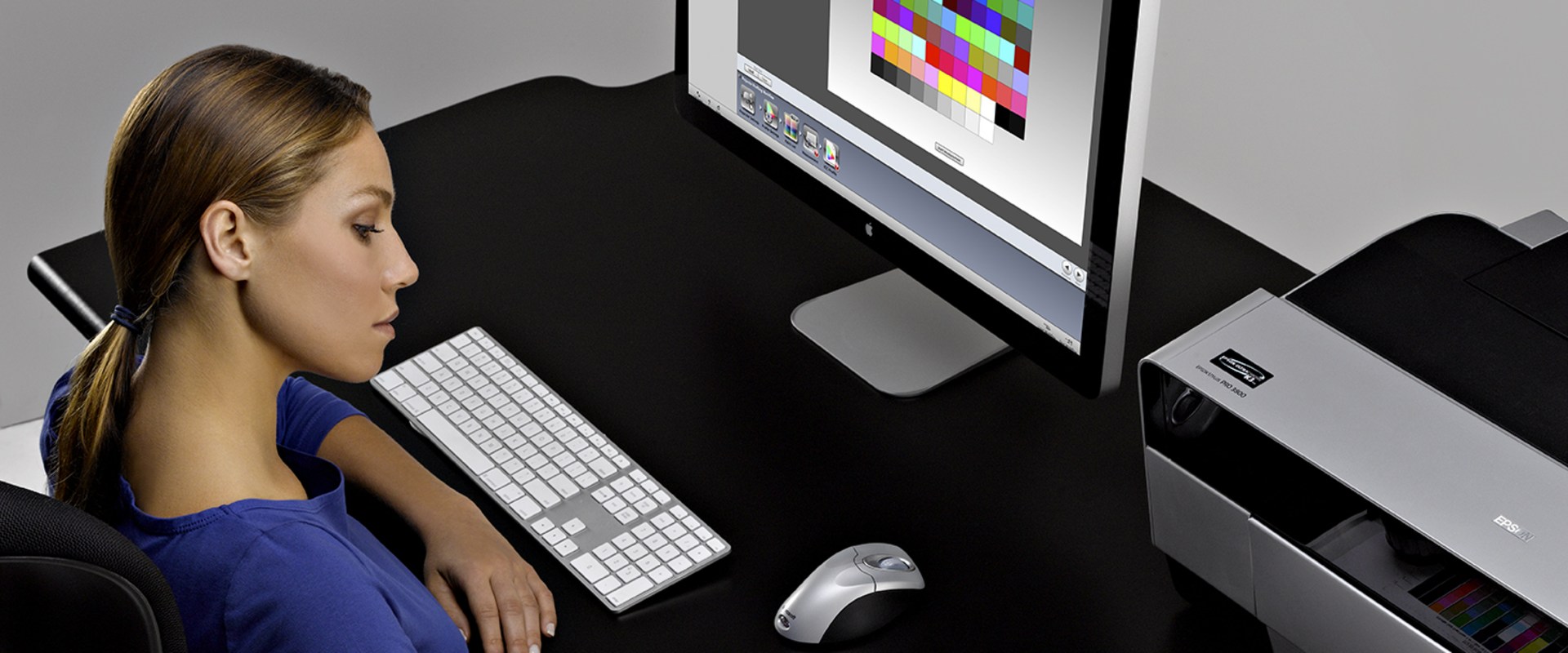
Color calibration is a systematic process that ensures the colors produced by your printing devices are accurate and consistent. This process involves several steps and the use of specialized tools to achieve the desired results. Understanding how to calibrate colors effectively can significantly enhance the quality of your prints. The first step in the color calibration process is to gather the necessary tools. The most commonly used devices for this purpose are colorimeters and spectrophotometers.A colorimeter measures the color output of a device by capturing the light emitted from it, while a spectrophotometer provides more detailed information by analyzing the light spectrum. Both tools are essential for creating accurate color profiles. Once you have your tools ready, the next step is to create a color profile. This profile serves as a set of instructions that tells your printer how to reproduce colors accurately. To create a color profile, follow these steps:
-
Initial Setup: Ensure that your printer is set up correctly with the appropriate paper and ink.
Make sure that all settings are optimized for quality.
- Measurement: Use your colorimeter or spectrophotometer to measure the colors produced by your printer. This involves printing a test chart that includes various colors and shades.
- Data Analysis: Analyze the data collected from your measurements. The software associated with your calibration tool will compare the printed colors to known standards.
- Profile Creation: Based on the analysis, create a color profile that adjusts the printer's settings to ensure accurate color reproduction.
- Testing: Print another test chart using the new profile and compare it with your original measurements. If discrepancies exist, further adjustments may be necessary.
Factors such as changes in ink levels, humidity, and temperature can affect how colors are reproduced. It is recommended to calibrate your printer at least once a month or whenever you notice inconsistencies in print quality. In summary, understanding how to calibrate colors involves using specific tools like colorimeters and spectrophotometers, creating detailed color profiles, and regularly testing and adjusting settings. By implementing these practices, printing services like Quick Signs Anaheim can ensure high-quality outputs that meet client expectations consistently.
Tools and Equipment for Effective Color Calibration
To achieve effective color calibration, having the right tools and equipment is essential. This section outlines the key hardware and software options that can help streamline the calibration process, ensuring that your prints maintain high quality and consistency.Essential Hardware for Color Calibration
-
Colorimeters: These devices are designed to measure the color output of your printer.
They work by capturing the light emitted from the printed material and comparing it to a known standard. Colorimeters are user-friendly and ideal for those who need quick and accurate results without extensive technical knowledge.
- Spectrophotometers: For more advanced users, spectrophotometers offer a higher level of precision. They measure color across a wider spectrum and can provide detailed information about color accuracy. This tool is particularly useful for professional printing services that require exact color matching.
-
Calibration Targets: These are printed samples with known color values used to compare against your printer's output.
Calibration targets help in assessing how closely your prints match the desired colors, allowing for fine-tuning of settings.
Software Solutions for Color Management
- Adobe Photoshop: Widely used in the design industry, Photoshop includes built-in tools for color management. Users can create custom color profiles and adjust settings to ensure that what they see on screen matches the final print.
- X-Rite i1Profiler: This software is specifically designed for color calibration and profiling. It allows users to create accurate profiles for various devices, including monitors and printers, ensuring consistent color reproduction across all platforms.
- CalMAN: Primarily used in video production, CalMAN also offers features for print calibration. It provides advanced tools for measuring and adjusting colors, making it suitable for high-end printing services.
By utilizing the right equipment, businesses like Quick Signs Anaheim can ensure that their printing services meet the highest standards of quality and consistency.
Common Challenges in Color Calibration and How to Overcome Them
Color calibration is a critical process for achieving accurate and consistent prints, but it is not without its challenges. Understanding these common obstacles can help printing services like Quick Signs Anaheim navigate the calibration process more effectively. Here are some of the most frequent challenges encountered during color calibration and strategies to overcome them.1.Inconsistent Lighting Conditions
One of the primary challenges in color calibration is the inconsistency of lighting conditions. The colors you see on your screen can vary significantly depending on the ambient light in your workspace.To mitigate this issue:
- Use Controlled Lighting: Set up your workspace with consistent, neutral lighting. Avoid direct sunlight and fluorescent lights that can distort color perception.
- Calibrate Under Standardized Conditions: Always perform calibration under the same lighting conditions to ensure uniformity in color output.
2.Device Variability
Different printers, monitors, and even paper types can produce varying color outputs. This variability can lead to discrepancies between what is seen on-screen and what is printed. To address this:-
Create Device-Specific Profiles: Develop unique color profiles for each printer and monitor combination you use.
This ensures that each device reproduces colors accurately based on its specific characteristics.
- Regularly Update Profiles: As devices age or undergo maintenance, their color output may change. Regularly recalibrating and updating profiles will help maintain accuracy.
3.Software Compatibility Issues
Color management software can sometimes be incompatible with certain devices or operating systems, leading to errors in calibration. To overcome this challenge:- Choose Reliable Software: Invest in reputable color management software that is known for its compatibility with a wide range of devices.
- Stay Updated: Regularly update your software to ensure it works seamlessly with your hardware and operating system.
4.Common Mistakes in Color Management
Avoiding common pitfalls in color management can significantly enhance the calibration process:- Neglecting Regular Calibration: Failing to calibrate devices regularly can lead to drift in color accuracy over time. Establish a routine schedule for calibration.
-
Ignoring Color Profiles: Always use the correct color profile for your projects.
Ignoring this step can result in unexpected color shifts during printing.
The Role of Color Profiles in Printing Quality
Color profiles play a crucial role in the printing process, serving as a bridge between digital designs and their physical counterparts. Essentially, a color profile is a set of data that characterizes a color input or output device, such as a monitor or printer, allowing for consistent color reproduction across different devices. This consistency is vital for achieving high-quality prints that accurately reflect the original design intentions. One of the most widely used standards for color profiles is the International Color Consortium (ICC) profile.ICC profiles are designed to ensure that colors remain consistent regardless of the device being used. They contain information about how colors should be interpreted by various devices, which is essential for maintaining color fidelity throughout the printing process.
Importance of ICC Profiles
Utilizing ICC profiles in printing services offers several advantages:- Consistency: By using ICC profiles, printers can ensure that colors are reproduced consistently across different media and devices. This is particularly important for businesses like Quick Signs Anaheim, where brand colors must remain uniform across various printed materials.
- Accuracy: ICC profiles help in achieving accurate color representation, which is crucial for professional designers and photographers who rely on precise color matching.
- Efficiency: With established color profiles, the need for trial and error in color adjustments is significantly reduced, saving time and resources during the printing process.
How to Create a Color Profile
Creating an effective color profile involves several steps:- Select the Right Tools: Use a colorimeter or spectrophotometer to measure the colors produced by your printer. These tools will help you gather accurate data about your printer's output.
-
Calibrate Your Devices: Before creating a profile, ensure that your monitor and printer are calibrated.
This step is essential to ensure that the colors you see on your screen match what will be printed.
- Create the Profile: Using software like Adobe Photoshop or specialized profiling software, input the data collected from your measurements to create a custom ICC profile tailored to your specific printer and media combination.
- Test and Refine: After creating the profile, conduct test prints to evaluate color accuracy. Make any necessary adjustments to refine the profile until you achieve the desired results.
Case Study: Quick Signs Anaheim's Approach to Color Calibration
Quick Signs Anaheim has established itself as a leader in the printing services industry, particularly through its commitment to color calibration. This case study explores how Quick Signs Anaheim effectively implements color calibration techniques to enhance the quality of their prints and ensure customer satisfaction. At the core of Quick Signs Anaheim's approach is a robust color management system that integrates advanced technology with skilled personnel.The company utilizes high-quality colorimeters and spectrophotometers to measure color output accurately. These devices allow them to create precise color profiles tailored to their specific printers, inks, and substrates. One of the key strategies employed by Quick Signs Anaheim is regular calibration of their printing equipment. They have established a routine schedule for calibrating their printers, ensuring that any variations in color output are promptly addressed. This proactive approach minimizes discrepancies and maintains consistency across all printed materials. Moreover, Quick Signs Anaheim invests in ongoing training for their staff.
By educating their team on the importance of color calibration and how to use calibration tools effectively, they empower employees to take ownership of the quality control process. This not only enhances the skill set of their workforce but also fosters a culture of excellence within the company. The results of these efforts are evident in the positive feedback from clients. Many customers have reported increased satisfaction due to the accurate color reproduction in their prints. For instance, a local business that ordered promotional banners noted that the colors matched their brand identity perfectly, leading to a successful marketing campaign. In addition to improving customer satisfaction, Quick Signs Anaheim has also experienced operational efficiencies.
By reducing the need for reprints caused by color mismatches, they have saved both time and resources, allowing them to focus on expanding their service offerings. In conclusion, Quick Signs Anaheim's dedication to color calibration exemplifies how effective color management can lead to enhanced print quality and customer loyalty. Their systematic approach not only sets them apart from competitors but also positions them as a trusted partner for businesses seeking reliable printing services.
Best Practices for Maintaining Color Consistency Over Time
Maintaining color consistency over time is crucial for any printing service, especially for businesses like Quick Signs Anaheim that rely on delivering high-quality prints to their clients. To achieve this, implementing best practices is essential. Here are some key strategies to ensure that your color output remains consistent:-
Establish a Regular Calibration Schedule: One of the most effective ways to maintain color consistency is by setting a regular calibration schedule for your printers.
Depending on the volume of printing and the type of materials used, calibrating your equipment at least once a month is recommended. This helps to account for any changes in the printer's performance and ensures that the colors produced remain true to the original design.
-
Monitor Environmental Conditions: The environment in which your printing equipment operates can significantly impact color accuracy. Factors such as temperature, humidity, and lighting can affect how colors are perceived and printed. It’s important to keep your printing area at a stable temperature (ideally between 68°F and 72°F) and humidity levels around 40-60%.
Additionally, using consistent lighting conditions when evaluating prints can help in making accurate color assessments.
- Use Quality Materials: The type of paper and ink used can also influence color consistency. Always opt for high-quality inks and substrates that are compatible with your printers. Different materials can absorb ink differently, leading to variations in color output. By standardizing the materials you use, you can reduce discrepancies in color reproduction.
-
Implement Color Management Software: Utilizing advanced color management software can streamline the calibration process and help maintain consistency across different devices.
These tools allow you to create and manage color profiles tailored to specific printers, ensuring that colors remain consistent regardless of the equipment used.
- Conduct Regular Quality Checks: Regularly reviewing printed samples against digital proofs is essential for identifying any color discrepancies early on. Establish a quality control process where prints are compared to their digital counterparts under controlled lighting conditions. This practice not only helps in maintaining consistency but also builds trust with clients who expect accurate representations of their designs.
Conclusion: The Future of Color Calibration in Printing Services
As we conclude our exploration of color calibration in printing services, it is clear that this process is not merely a technical necessity but a vital component that can significantly enhance the quality and consistency of printed materials.For businesses like Quick Signs Anaheim, investing in color calibration is essential for maintaining a competitive edge in an increasingly demanding market. Throughout this article, we have highlighted several key points regarding the importance of color calibration:
- Accuracy and Consistency: Color calibration ensures that the colors seen on digital screens are faithfully reproduced in print. This accuracy is crucial for businesses that rely on brand integrity and visual appeal.
- Cost Efficiency: By reducing the likelihood of reprints due to color discrepancies, color calibration can lead to significant cost savings. This efficiency not only saves money but also optimizes workflow processes.
- Enhanced Customer Satisfaction: Clients expect their printed materials to reflect their designs accurately. By providing consistent and high-quality prints, businesses can foster trust and loyalty among their customers.
- Competitive Advantage: In a crowded marketplace, offering superior print quality through effective color management can set a business apart from its competitors.
As printing equipment becomes more sophisticated and software solutions evolve, the methods for achieving precise color reproduction will continue to improve. Businesses must stay informed about these developments and adapt their practices accordingly. Moreover, as sustainability becomes a growing concern in the printing industry, color calibration can also play a role in reducing waste. By ensuring that prints are accurate on the first attempt, companies can minimize excess materials and contribute to more environmentally friendly practices. In conclusion, for printing services like Quick Signs Anaheim, embracing color calibration is not just about technical precision; it is about delivering exceptional value to clients. By prioritizing this practice, businesses can ensure they meet customer expectations while enhancing their operational efficiency.
As you move forward, consider implementing best practices in color calibration to achieve optimal results and secure your place as a leader in the printing industry.