In the world of custom signs and In the world of custom signs and printing services, the significance of In the world of custom signs and printing services, the significance of proper measurement and leveling cannot be overstated. These foundational practices are essential for ensuring that your signage not only looks professional but also serves its intended purpose effectively. Whether you are a business owner looking to enhance your brand visibility or a printing service provider aiming to deliver high-quality products, understanding the importance of these techniques is crucial for achieving optimal results. Accurate measurement is the first step in the sign installation process. It involves determining the precise dimensions of the space where the sign will be placed, as well as the sign itself.
This attention to detail ensures that your custom signs fit perfectly within their designated areas, avoiding any unsightly gaps or overlaps that could detract from their visual appeal. Moreover, accurate measurements help prevent costly mistakes that can arise from miscalculations, such as needing to reorder materials or redoing installations. Leveling, on the other hand, is equally vital in achieving a polished and professional appearance. A sign that is not level can appear unprofessional and may even lead to misinterpretation of the message it conveys. For instance, a crooked sign can distract potential customers and diminish the credibility of your business.
By employing proper leveling techniques, you ensure that your signs are not only aesthetically pleasing but also functional and effective in communicating your brand's message. In summary, mastering the art of measurement and leveling is essential for anyone involved in custom signs and printing services. These practices lay the groundwork for successful installations that enhance visibility and professionalism. As we delve deeper into this topic, we will explore various techniques and tools that can help you achieve accuracy and excellence in your sign projects.
Essential Tools for Accurate Measurement and Leveling
When it comes to achieving precise measurement and leveling for custom signs, having the right tools is paramount. The quality and accuracy of your tools can significantly impact the final outcome of your sign installation.Below are some essential tools that every sign maker or installer should have in their toolkit.
- Tape Measure: A reliable tape measure is fundamental for any measurement task. Look for one that is durable, has clear markings, and extends long enough to cover the dimensions of your sign. A tape measure with a locking mechanism can help maintain accuracy while measuring.
-
Level: A level is crucial for ensuring that your sign is perfectly straight. There are various types available, including traditional bubble levels and digital levels.
A bubble level is great for smaller projects, while a digital level can provide more precise readings for larger installations.
- Laser Level: For larger signs or complex installations, a laser level can be invaluable. It projects a straight line across surfaces, allowing you to align multiple points accurately. This tool is especially useful when installing large banners or wall-mounted signs.
- Square: A square helps ensure that corners are at perfect right angles, which is essential for creating professional-looking signs. This tool is particularly important when cutting materials or aligning multiple components of a sign.
-
Chalk Line: A chalk line can be used to mark long, straight lines on surfaces, making it easier to visualize where your sign will go.
This tool is especially helpful when working on larger installations where precision over long distances is required.
- Utility Knife: A sharp utility knife is necessary for cutting materials accurately. Whether you’re trimming vinyl or cutting through cardboard, having a quality knife will ensure clean edges and professional results.
- Drill and Fasteners: Depending on the type of sign you are installing, you may need a drill and appropriate fasteners (like screws or anchors) to secure your sign in place. Make sure to choose fasteners that are suitable for the material of the surface you are working on.
Step-by-Step Guide to Measuring for Custom Signs
Accurate measurement is the cornerstone of successful custom sign installation.Whether you are a business owner or a printing service provider, following a systematic approach to measuring can help you avoid costly mistakes and ensure that your signs fit perfectly in their designated spaces. Here’s a step-by-step guide to help you measure effectively for custom signs.
- Gather Your Tools: Before you begin measuring, make sure you have the right tools on hand. Essential items include a reliable measuring tape, a level, a straight edge, and possibly a laser level for larger installations. Having these tools ready will streamline the process.
-
Identify the Installation Area: Determine where the sign will be placed.
This could be on a wall, a post, or even on the ground. Take note of any surrounding features such as windows, doors, or other signs that may affect visibility.
- Measure Width and Height: Using your measuring tape, measure the width and height of the area where the sign will be installed. Be sure to measure at multiple points to account for any irregularities in the surface. Record these measurements accurately.
-
Account for Obstacles: Look for any obstacles that may interfere with the installation.
This includes light fixtures, electrical outlets, or architectural features. Make adjustments to your measurements as necessary to ensure that your sign will not be obstructed.
- Consider Viewing Distance: Think about how far away viewers will typically be from the sign. This can influence the size of the sign you choose. Larger signs may be necessary for areas with high traffic or long viewing distances.
-
Mark Your Measurements: Use a pencil to mark where the edges of your sign will be placed on the wall or surface.
This visual guide will help you see how it fits within the space and allow for adjustments if needed.
- Double-Check Your Work: Before finalizing your measurements, double-check everything. Measure twice to ensure accuracy and confirm that all dimensions align with your initial plan.
Leveling Techniques for Perfect Sign Installation
When it comes to installing custom signs, achieving a perfectly level installation is essential for both aesthetics and functionality. A crooked sign can detract from your brand's image and may even lead to safety hazards.Here are some effective leveling techniques that can help ensure your signs are installed straight and true.
Types of Levels
There are several types of levels available, each suited for different applications:- Bubble Level: This traditional tool uses a liquid-filled vial with an air bubble to indicate level. It’s ideal for small to medium-sized signs and is easy to use.
- Laser Level: For larger installations, a laser level projects a straight line across surfaces, making it easier to align multiple points. This is particularly useful for long banners or large wall signs.
- Digital Level: This modern tool provides precise measurements and can display angles in various formats. It’s perfect for those who require high accuracy in their installations.
Leveling Techniques
Here are some practical techniques to ensure your sign is level during installation:-
Measure and Mark: Before you begin installation, measure the height at which you want the sign to be placed.
Use a pencil to mark the desired height on the wall or surface.
- Use a Level: Place your chosen level against the surface where the sign will be mounted. Adjust the sign until it aligns perfectly with the level's indicator.
- Check Multiple Points: For larger signs, check multiple points along the length of the sign to ensure it remains level throughout. This is especially important for signs that span wide areas.
- Secure Temporary Supports: If necessary, use temporary supports or clamps to hold the sign in place while you secure it. This prevents any movement that could lead to misalignment.
-
Final Verification: After securing the sign, double-check its alignment with your level before finishing up.
Make any necessary adjustments while you still have access to reposition it easily.
Common Mistakes in Measurement and Leveling
When it comes to the installation of custom signs, proper measurement and leveling are critical to achieving a professional appearance. However, many individuals and businesses fall prey to common mistakes that can compromise the quality of their installations. Understanding these pitfalls can help you avoid costly errors and ensure a successful outcome.-
Inaccurate Measurements: One of the most frequent mistakes is taking inaccurate measurements.
This can occur due to a variety of reasons, such as using a measuring tape that is not properly calibrated or failing to account for obstacles in the installation area. Always double-check your measurements and consider using a laser level for greater accuracy.
- Neglecting to Account for Surroundings: Failing to consider the surrounding environment can lead to significant issues. For instance, if your sign will be placed near other structures or signage, it’s essential to measure the space accurately and ensure that your sign will not obstruct visibility or clash with nearby elements.
-
Improper Use of Tools: Using tools incorrectly can lead to errors in both measurement and leveling. For example, if you do not hold the level flat against the surface, you may end up with a crooked sign.
Familiarize yourself with your tools and ensure you are using them as intended.
- Ignoring Surface Conditions: The condition of the surface where the sign will be installed is crucial. If the surface is uneven or dirty, it can affect how well your sign adheres or how level it appears. Always prepare the surface by cleaning it and checking for any irregularities before installation.
-
Rushing the Process: In an effort to complete the installation quickly, many people rush through measurements and leveling. This haste often leads to mistakes that could have been easily avoided with a little more time spent on preparation.
Take your time to ensure everything is measured and leveled correctly.
Installation Tips for Different Types of Signs
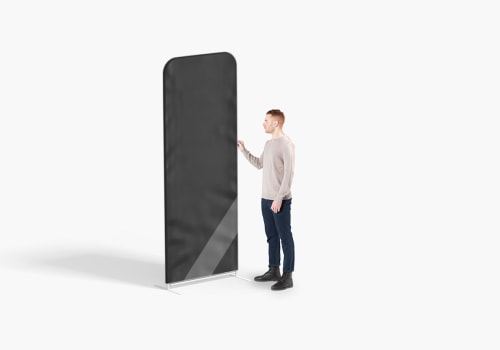
When it comes to installing various types of signs, each category has its own unique requirements and considerations. Understanding these nuances can significantly enhance the effectiveness and longevity of your signage. Below are tailored installation tips for banners, vehicle wraps, and trade show displays. When it comes to installing various types of signs, each category has its own unique requirements and considerations. Understanding these nuances can significantly enhance the effectiveness and longevity of your signage. Below are tailored installation tips for banners, vehicle wraps, and trade show displays.Installation Tips for Banners
-
Choose the Right Location: Before installation, assess the area where the banner will be displayed.
Ensure it is visible from a distance and free from obstructions that could block the view.
- Use Proper Hardware: Depending on the banner material, select appropriate mounting hardware. For outdoor banners, consider using grommets and bungee cords to secure them against wind.
- Check for Level: Use a level to ensure that your banner hangs straight. An uneven banner can detract from its visual appeal and professionalism.
- Consider Weather Conditions: If installing outdoors, be mindful of weather conditions. Avoid installation during high winds or rain to prevent damage to the banner or injury during setup.
Installation Tips for Vehicle Wraps
-
Clean the Surface: Thoroughly clean the vehicle's surface before applying the wrap.
Remove any dirt, wax, or grease to ensure proper adhesion.
- Measure Twice: Accurate measurements are crucial for vehicle wraps. Measure all sides of the vehicle to ensure that the wrap fits perfectly without any gaps or overlaps.
- Use a Heat Gun: A heat gun can help in stretching and conforming the wrap around curves and edges. This ensures a smooth finish without wrinkles or bubbles.
- Allow for Drying Time: After installation, allow adequate time for the adhesive to cure before exposing the vehicle to moisture or extreme temperatures.
Installation Tips for Trade Show Displays
- Plan Your Layout: Before setting up, sketch out a layout of your display. This helps in visualizing how each component will fit together and ensures efficient use of space.
-
Use a Leveling Tool: Ensure that all elements of your display are level and aligned.
This not only enhances aesthetics but also prevents accidents caused by unstable displays.
- Secure All Components: Make sure that all parts of your display are securely fastened. Use appropriate fasteners and check for stability before leaving your booth unattended.
- Practice Setup: If possible, practice setting up your display before the event. Familiarity with the process can save time and reduce stress during actual setup.
The Role of Professional Installation Services
When it comes to the installation of custom signs, the expertise of professional installation services can make a significant difference in the outcome. While some may consider a DIY approach, there are numerous advantages to hiring professionals that can enhance both the quality and longevity of your signage.Benefits of Hiring Professionals
-
Expertise and Experience: Professional installers bring a wealth of knowledge and experience to the table.
They understand the nuances of different materials, mounting techniques, and environmental factors that can affect the installation process. This expertise ensures that your sign is installed correctly the first time, minimizing the risk of costly mistakes.
- Access to Specialized Tools: Installation often requires specific tools and equipment that may not be readily available to the average person. Professionals come equipped with everything needed for a successful installation, from levels and drills to scaffolding for larger signs.
- Time Efficiency: Hiring professionals can save you valuable time. They can complete installations quickly and efficiently, allowing you to focus on other important aspects of your business rather than spending hours or even days on a project that may not turn out as expected.
-
Safety Considerations: Installing signs can involve working at heights or handling heavy materials.
Professionals are trained in safety protocols and have the necessary equipment to ensure that installations are conducted safely, reducing the risk of accidents or injuries.
- Quality Assurance: Professional installers take pride in their work and strive for high-quality results. Their attention to detail ensures that your sign is not only functional but also visually appealing, enhancing your brand's image.
When to Hire Installers
Determining when to hire professional installers depends on several factors:
- If your sign is large or complex, such as illuminated signs or multi-panel displays, it’s advisable to seek professional help.
- If you lack the necessary tools or experience for proper installation, hiring professionals can save you from potential pitfalls.
- If your installation site presents challenges such as uneven surfaces or difficult access points, professionals have the skills and equipment to navigate these issues effectively.
- If you want peace of mind knowing that your sign will be installed correctly and securely, investing in professional services is a wise choice.
FAQs About Measurement and Leveling in Sign Installation
When it comes to the installation of custom signs, measurement and leveling are critical components that can significantly impact the final appearance and functionality of the sign. Below are some frequently asked questions that address common concerns and provide clarity on these essential aspects of sign installation.What tools do I need for accurate measurement and leveling?
To achieve precise measurements and ensure proper leveling, you will need:- Tape Measure: A reliable tape measure is essential for measuring dimensions accurately.
- Level: A standard bubble level or a laser level will help you confirm that your sign is straight.
- Square: This tool ensures that corners are at right angles, which is crucial for rectangular signs.
- Pencil: Use a pencil to mark measurements lightly on the surface where the sign will be installed.
How do I determine the best height for my sign?
The ideal height for your sign depends on several factors, including:-
Visibility: Ensure that the sign is at eye level for your target audience.
For road signs, this may mean placing them higher than for storefront signs.
- Surroundings: Consider any obstacles such as trees, buildings, or other signage that may obstruct visibility.
- Local Regulations: Check local zoning laws or regulations that may dictate specific height requirements for signage.
What should I do if my sign appears crooked after installation?
If you notice that your sign is crooked after installation, follow these steps:- Recheck Measurements: Use your level to confirm whether the sign is indeed crooked.
- Loosen Fasteners: If applicable, carefully loosen any screws or fasteners holding the sign in place.
- Adjust Position: Realign the sign using your level to ensure it is straight before tightening the fasteners again.
Can I install a sign on uneven surfaces?
Yes, but it requires additional steps to ensure stability and appearance. Here are some tips:- Use Shims: If the surface is uneven, consider using shims to create a level base for your sign.
- Select Appropriate Mounting Hardware: Choose hardware designed for uneven surfaces to ensure a secure fit.
Conclusion: Achieving Success with Proper Measurement and Leveling
In conclusion, the significance of proper measurement and leveling in the realm of custom signs and printing services cannot be overstated. Throughout this article, we have explored various aspects that highlight how these foundational practices contribute to the overall success of your signage projects. First and foremost, accurate measurements ensure that your signs fit perfectly within their designated spaces.This precision not only enhances the aesthetic appeal but also prevents costly errors that can arise from miscalculations. Whether you are working on a large outdoor sign or a small indoor display, taking the time to measure correctly is essential. Moreover, leveling is crucial for maintaining a professional appearance. A crooked sign can detract from your brand's image and create a negative impression on potential customers. By utilizing tools such as levels and laser guides, you can achieve a straight and visually appealing installation that reflects the quality of your business. Additionally, we discussed the importance of using the right tools for measurement and leveling.
Investing in high-quality equipment not only simplifies the process but also enhances accuracy. Tools like measuring tapes, levels, and squares are indispensable for achieving the desired results. Furthermore, we emphasized the value of hiring professional installation services when necessary. Professionals bring expertise and experience to the table, ensuring that your custom signs are installed correctly and securely. This can save you time and stress while guaranteeing a polished final product. In summary, proper measurement and leveling are integral to creating high-quality custom signs that effectively communicate your message.
By adhering to these principles, you can enhance your brand's visibility and professionalism in a competitive market. Remember, attention to detail in these areas will ultimately lead to greater success in your signage endeavors.