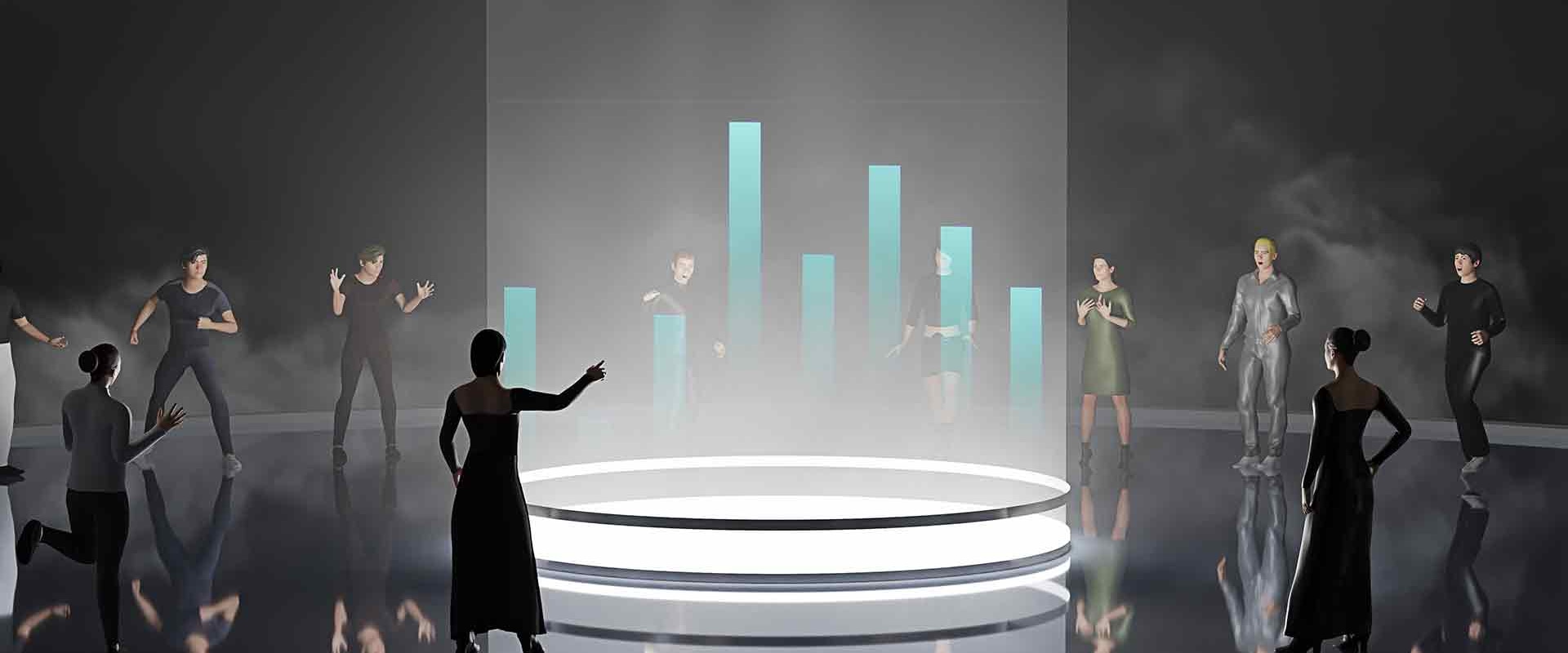
In the competitive landscape of trade shows, where countless brands vie for the attention of attendees, interactive elementsinteractive elements have emerged as a game-changer. These dynamic features not only draw visitors to your booth but also create memorable experiences that resonate long after the event concludes. By transforming passive observers into active participants, interactive elements enhance visitor engagement and significantly boost brand visibility. Understanding the significance of these elements is crucial for any exhibitor aiming to make a lasting impact. Interactive components can range from simple touch screens displaying product information to immersive virtual reality experiences that allow attendees to engage with your offerings in a unique way.
The key is to select elements that align with your brand identity and appeal to your target audience, ensuring that every interaction is meaningful and relevant. Moreover, incorporating interactive strategies into your trade show displays can foster deeper connections with potential customers. When visitors actively engage with your brand, they are more likely to remember it and share their experiences with others. This not only amplifies your reach during the event but also creates opportunities for post-show engagement through The key is to select elements that align with your brand identity and appeal to your target audience, ensuring that every interaction is meaningful and relevant. Moreover, incorporating interactive strategies into your trade show displays can foster deeper connections with potential customers. When visitors actively engage with your brand, they are more likely to remember it and share their experiences with others. This not only amplifies your reach during the event but also creates opportunities for post-show engagement through social media and follow-up communications. As we delve deeper into the various types of interactive elements available, it becomes clear that they are not just enhancements; they are essential tools for driving engagement and achieving marketing success at trade shows. The key is to select elements that align with your brand identity and appeal to your target audience, ensuring that every interaction is meaningful and relevant. Moreover, incorporating interactive strategies into your trade show displays can foster deeper connections with potential customers. When visitors actively engage with your brand, they are more likely to remember it and share their experiences with others. This not only amplifies your reach during the event but also creates opportunities for post-show engagement through social media and follow-up communications. As we delve deeper into the various types of interactive elements available, it becomes clear that they are not just enhancements; they are essential tools for driving engagement and achieving marketing success at trade shows.
The Importance of Interactive Elements for Trade Shows
In the competitive landscape of trade shows, the incorporation of interactive elements is not just a trend; it is a necessity for achieving success.These elements serve as a bridge between your brand and potential customers, fostering engagement and creating memorable experiences that can significantly impact lead generation. Statistics reveal the profound effect of interactive displays on visitor engagement. According to a study by the Event Marketing Institute, 74% of attendees are more likely to engage with a brand that offers interactive experiences. This statistic underscores the importance of creating an environment where visitors feel compelled to participate rather than passively observe. Moreover, interactive elements can enhance information retention. Research indicates that people remember only 10% of what they hear, but when they engage in an activity, retention rates can soar to 75%.
This means that by incorporating hands-on experiences, such as product demonstrations or interactive games, you are not only capturing attention but also ensuring that your message resonates long after the event. For instance, consider a company showcasing a new software solution. Instead of merely presenting slides or brochures, they could set up a live demo station where attendees can interact with the software firsthand. This not only allows potential customers to see the product in action but also provides them with an opportunity to ask questions and receive immediate feedback from knowledgeable staff members. Furthermore, interactive elements can facilitate data collection and lead generation. By integrating features such as digital sign-ups or gamified quizzes that require participants to provide their contact information, brands can gather valuable insights into their audience's preferences and behaviors.
This data is crucial for tailoring follow-up marketing efforts and nurturing leads post-event. In summary, the importance of incorporating interactive elements into trade show displays cannot be overstated. They not only enhance visitor engagement but also improve information retention and facilitate lead generation. By creating an immersive experience that encourages participation, brands can significantly increase their chances of standing out in a crowded exhibition space and achieving their marketing objectives.
Types of Interactive Elements to Consider
When planning your trade show display, incorporating interactive elements can significantly enhance visitor engagement and create a memorable experience. Here are some effective types of interactive elements to consider:-
Touch Screens: Touch screens are versatile tools that allow visitors to explore your products or services at their own pace.
You can use them to display videos, product catalogs, or interactive presentations. By enabling users to navigate through content, you empower them to engage with your brand actively.
- Virtual Reality (VR) Experiences: VR technology offers an immersive experience that can transport visitors into a different world. For instance, if you’re showcasing a travel service, you could create a VR tour of a destination. This not only captivates attention but also allows potential customers to visualize their experience with your offerings.
-
Augmented Reality (AR): Similar to VR, AR overlays digital information onto the real world.
This can be particularly effective for product demonstrations. For example, using AR, visitors could see how a piece of furniture would look in their home environment through their smartphones or tablets.
- Games and Challenges: Incorporating games into your display can create a fun atmosphere that encourages participation. Consider designing a quiz related to your industry or a challenge that involves using your products. This not only entertains but also educates visitors about your brand in an engaging way.
-
Social Media Integration: Leverage the power of social media by encouraging visitors to share their experiences at your booth.
Set up a photo booth with props related to your brand and create a unique hashtag for the event. This not only increases your online visibility but also fosters community engagement.
- Interactive Kiosks: Kiosks equipped with interactive software can provide detailed information about your products or services. They can include features like customer testimonials, FAQs, and even live chat options with sales representatives, making it easier for potential customers to get the information they need.
Incorporating Virtual Reality into Your Displays
Incorporating virtual reality (VR) into your trade show displays can transform the way attendees interact with your brand.By offering immersive experiences, you not only capture attention but also create memorable interactions that can lead to increased engagement and sales. One of the most compelling aspects of VR is its ability to transport users to different environments. For instance, if your company specializes in travel or real estate, you can create a VR experience that allows visitors to explore exotic locations or tour properties from the comfort of your booth. This not only showcases your offerings in a unique way but also allows potential customers to visualize themselves using your products or services. To effectively integrate VR into your displays, consider the following strategies:
- Define Your Objectives: Before implementing VR, clarify what you want to achieve. Are you aiming to educate attendees about a new product, generate leads, or enhance brand awareness? Your objectives will guide the design of your VR experience.
-
Choose the Right Technology: Select VR equipment that aligns with your goals and budget.
Options range from high-end headsets like Oculus Rift to more accessible solutions like Google Cardboard. Ensure that the technology is user-friendly and reliable.
- Create Engaging Content: The success of your VR experience hinges on the content. Develop scenarios that are not only entertaining but also informative. For example, if you’re showcasing a new product, create a simulation where users can interact with it in a virtual setting.
-
Train Your Staff: Ensure that your team is well-versed in operating the VR equipment and guiding attendees through the experience.
A knowledgeable staff member can enhance visitor engagement and address any technical issues that may arise.
- Promote Your VR Experience: Use social media and other marketing channels to generate buzz about your VR display before the event. Highlight what attendees can expect and encourage them to visit your booth for an exclusive experience.
By carefully planning and executing a captivating VR experience, you can leave a lasting impression on potential customers and differentiate yourself from competitors.
Planning and Testing Your Interactive Elements
When it comes to incorporating interactive elements into your trade show displays, thorough planning and testing are essential to ensure a seamless experience for both your team and the attendees. Without proper preparation, even the most innovative interactive features can fall flat, leading to frustration and missed opportunities.1.Establish Clear Objectives
- Before diving into the logistics, define what you want to achieve with your interactive elements. Are you aiming to generate leads, increase brand awareness, or showcase a new product? Having clear objectives will guide your planning process.
2.Create a Detailed Plan
- Identify the Elements: Choose which interactive features will best serve your objectives. This could include touch screens, virtual reality experiences, or gamified challenges.
-
Logistics: Consider the physical space of your booth.
Ensure that there is enough room for visitors to engage with the interactive elements without feeling cramped. Additionally, plan for power sources and internet connectivity if required.
- Staff Training: Designate team members who will be responsible for managing the interactive elements. Ensure they are well-trained and knowledgeable about how each feature works so they can assist visitors effectively.
3.Testing Your Technology
- Mock Setup: Conduct a mock setup of your display in an environment similar to the trade show venue. This allows you to test all interactive elements in real-time and identify any potential issues.
-
Functionality Checks: Test each feature thoroughly to ensure they work as intended.
Check for software updates, compatibility issues, and any necessary adjustments that may be needed before the event.
- Backup Plans: Prepare for technical difficulties by having backup solutions in place. This could include spare devices or alternative methods of engagement if something goes wrong during the event.
4.Gather Feedback
- If possible, conduct a trial run with a small group of people who can provide feedback on their experience with the interactive elements. Use this feedback to make any final adjustments before the trade show.
Choosing the Right Interactive Elements for Your Audience
When it comes to making your trade show display truly engaging, the selection of interactive elements is crucial.The right choices can significantly enhance visitor experience and align with your marketing goals. Here’s how to effectively choose interactive elements tailored to your audience.
Understand Your Audience
- Demographics: Start by analyzing the demographics of your target audience. Are they primarily young professionals, tech enthusiasts, or seasoned industry veterans? Understanding their age, interests, and preferences will guide you in selecting elements that resonate with them.
- Interests and Behaviors: Consider what activities your audience enjoys. For instance, if they are known for their love of technology, incorporating virtual reality experiences or interactive touch screens may captivate their attention.
- Feedback and Surveys: If possible, gather feedback from previous events or conduct surveys to understand what types of interactive experiences your audience has enjoyed in the past.
Align with Marketing Goals
-
Brand Awareness: If your primary goal is to increase brand visibility, consider using social media integration or photo booths that encourage sharing.
This not only engages visitors but also amplifies your reach beyond the event.
- Lead Generation: For generating leads, interactive quizzes or games that require participants to provide contact information can be effective. Ensure these activities are fun yet informative, allowing visitors to learn about your products while engaging with them.
- Product Demonstration: If showcasing a new product is your focus, opt for hands-on experiences where attendees can interact directly with the product. This could include augmented reality applications that allow users to visualize how a product fits into their lives.
Test and Iterate
Once you have identified potential interactive elements, it’s essential to test them in a mock setup. This allows you to gauge their effectiveness and make necessary adjustments before the actual event.
Pay attention to how easily visitors can engage with these elements and whether they align with your intended message. In conclusion, choosing the right interactive elements for your trade show display requires a deep understanding of your audience and a clear alignment with your marketing objectives. By carefully considering these factors, you can create an engaging experience that not only attracts visitors but also fosters meaningful connections with potential customers.
Leveraging Social Media for Enhanced Engagement
In today’s digital age, integrating social media into your trade show display is not just an option; it’s a necessity. Social media platforms offer a unique opportunity to enhance visitor engagement and create a buzz around your brand. By leveraging these platforms effectively, you can turn your trade show booth into a dynamic hub of interaction and excitement. One of the first steps in utilizing social media is to establish a clear and recognizable online presence.Make sure to prominently display your social media handles and relevant hashtags at your booth. This encourages visitors to connect with you online, share their experiences, and engage with your content. Consider creating a unique hashtag specifically for the event, which can help track conversations and interactions related to your brand. To further enhance engagement, consider incorporating interactive social media features into your display:
- Live Social Media Feeds: Displaying a live feed of posts that use your event hashtag can create a sense of community among attendees. It encourages visitors to post about their experiences in real-time, fostering interaction and excitement.
-
Photo Booths: Set up a photo booth with props related to your brand or products.
Encourage visitors to take pictures and share them on their social media accounts using your designated hashtag. This not only creates fun memories but also increases your brand visibility.
- Contests and Giveaways: Organize contests that require participants to engage with your social media accounts. For example, ask attendees to follow you on Instagram or retweet a post for a chance to win a prize. This strategy not only boosts engagement but also helps grow your online following.
By monitoring engagement metrics such as likes, shares, and comments, you can assess which aspects of your display resonated most with attendees. This data can inform future marketing strategies and help tailor your approach for upcoming events. In conclusion, effectively incorporating social media into your trade show displays can significantly enhance visitor engagement and provide critical insights into audience preferences. By creating an interactive experience that encourages sharing and participation, you not only elevate your brand’s presence at the event but also extend its reach beyond the trade show floor.
Creating Games and Challenges to Attract Visitors
Incorporating games and challenges into your trade show displays can significantly enhance visitor engagement and create a lively atmosphere that draws attendees to your booth. These interactive elements not only entertain but also provide a unique opportunity to showcase your products and services in a memorable way. One effective approach is to design games that are directly related to your offerings.For instance, if you are promoting a new software solution, consider creating a quiz or trivia game that tests participants on their knowledge of industry trends or features of your product. This not only educates visitors but also allows them to interact with your brand in a fun and competitive manner.
Types of Games to Consider
- Spin-to-Win Wheels: A classic choice, these wheels can feature various prizes, discounts, or promotional items. Visitors spin the wheel for a chance to win, which encourages them to engage with your booth.
- Interactive Quizzes: Use tablets or touch screens to host quizzes related to your industry. Participants can answer questions for a chance to win prizes, while also learning more about your products.
-
Scavenger Hunts: Create a scavenger hunt that requires participants to find specific items or information within your booth.
This encourages exploration and interaction with different aspects of your display.
- Virtual Reality Challenges: If applicable, use VR technology to create immersive challenges that allow visitors to experience your product in action. This can be particularly effective for showcasing complex products or services.
This not only motivates visitors to participate but also creates a buzz around your booth as attendees share their experiences with others at the trade show. Ultimately, the key to successfully integrating games and challenges into your trade show display is ensuring they align with your brand message and objectives. By creating engaging activities that resonate with your target audience, you can foster meaningful interactions that leave a lasting impression long after the event concludes.
Measuring Success: Analyzing Data from Interactive Elements
Incorporating interactive elements into your trade show displays is not just about attracting attention; it’s also about measuring the effectiveness of these strategies. Analyzing the data collected from these interactions can provide invaluable insights into attendee behavior, preferences, and overall engagement. This information is crucial for refining future marketing strategies and enhancing your trade show performance. To effectively measure success, start by identifying key metrics that align with your goals.Here are some essential metrics to consider:
- Engagement Rate: Track how many visitors interacted with your interactive elements compared to the total number of attendees. This can be calculated by dividing the number of interactions by the total foot traffic at your booth.
- Lead Generation: Monitor how many leads were generated through your interactive displays. This includes collecting contact information from participants who engaged with games, VR experiences, or social media integrations.
- Time Spent: Measure the average time visitors spent interacting with your displays. Longer engagement times often indicate a higher level of interest and can correlate with potential sales.
-
Social Media Mentions: Analyze the number of social media posts, shares, and tags related to your booth.
This can help gauge brand visibility and audience reach beyond the event.
This can be done through surveys or informal conversations during the event. Understanding what visitors enjoyed or found challenging can provide deeper insights into how to enhance future displays. In conclusion, measuring success through data analysis is a critical component of incorporating interactive elements into your trade show displays. By focusing on key metrics and gathering both quantitative and qualitative data, you can refine your marketing strategies, improve attendee engagement, and ultimately drive better results at future events.
<strong>Conclusion</strong>
In conclusion, the integration of interactive elements into your trade show displays is not merely a trend; it is a strategic approach that can significantly enhance your brand's visibility and engagement with potential customers. By leveraging tools such as virtual reality, social media integration, and engaging games, you create an immersive experience that resonates with attendees long after the event has concluded. As you plan your next trade show, consider the following key takeaways:-
Understand Your Audience: Tailor your interactive elements to meet the preferences and interests of your target demographic.
Knowing whether your audience is tech-savvy or prefers traditional engagement methods can guide your choices.
- Align with Marketing Goals: Ensure that the interactive features you choose align with your overall marketing objectives. Whether you aim to generate leads, increase brand awareness, or showcase new products, each goal may require a different interactive approach.
- Test and Prepare: Prior to the event, conduct thorough testing of all interactive components. This preparation will help avoid technical glitches during the trade show and ensure a smooth experience for visitors.
- Engage Beyond the Event: Utilize social media to maintain engagement with attendees after the trade show. Encourage them to share their experiences online, which can amplify your brand's reach and visibility.
-
Measure Success: After the event, analyze the data collected from your interactive elements.
This information can provide valuable insights into customer preferences and behaviors, helping you refine future marketing strategies.