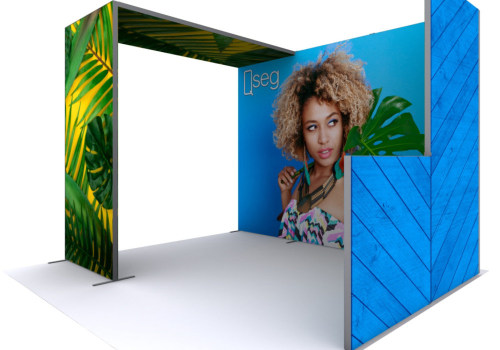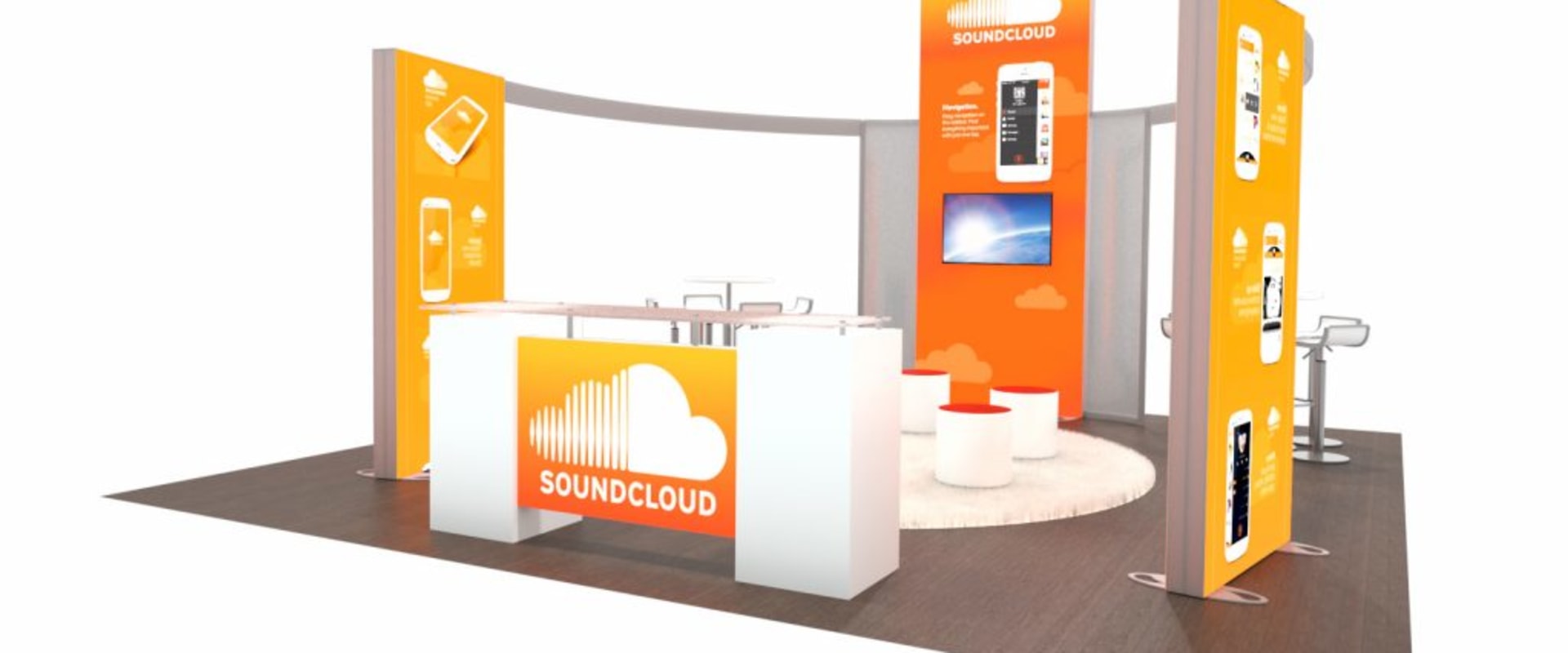
In the competitive landscape of trade shows, the significance of trade show signs cannot be overstated. These visual tools serve as the first point of contact between your business and potential customers, making them a crucial element of your marketing strategy. A well-designed sign not only captures attention but also communicates your brand message effectively, setting the tone for the interactions that follow. As businesses vie for attention in crowded exhibition halls, the ability to stand out with compelling signage can make all the difference in attracting foot traffic to your booth. Trade show signage offers numerous benefits that extend beyond mere aesthetics.
For one, it enhances brand visibility , allowing your company to be recognized even from a distance. This is particularly important in bustling environments where attendees may be overwhelmed by the sheer volume of options available to them. Effective signage can guide potential customers toward your booth, creating a pathway for engagement and interaction. Moreover, well-placed signs can reinforce your brand identity, ensuring that your message resonates long after the event has concluded. Additionally, trade show signs play a pivotal role in effective trade show marketing.
They can convey essential information about your products or services quickly and succinctly, which is vital in an environment where time is of the essence. By utilizing clear messaging and eye-catching designs, you can spark curiosity and encourage attendees to learn more about what you offer. Ultimately, investing in high-quality trade show signs is not just about decoration; it’s about strategically positioning your brand for success in a competitive marketplace.
Key Elements of Effective Trade Show Sign Design
Designing effective trade show signs requires a keen understanding of several key elements that contribute to their overall impact. By focusing on layout, color schemes, typography, and imagery, you can create signage that not only attracts attention but also communicates your message clearly and effectively.Layout and Composition
The layout of your trade show sign is crucial for guiding the viewer's eye and ensuring that your message is easily digestible.Here are some tips to consider:
- Hierarchy of Information: Organize your content in a way that highlights the most important information first. Use larger fonts for headlines and smaller fonts for supporting details.
- White Space: Don’t overcrowd your sign. Adequate white space helps to separate different elements, making it easier for viewers to focus on each part of your message.
- Alignment: Ensure that all elements are aligned properly. This creates a sense of order and professionalism, which can enhance your brand image.
Color Schemes
The colors you choose for your trade show signs can significantly influence how they are perceived.Here are some guidelines:
- Brand Consistency: Use colors that align with your brand identity. This helps in reinforcing brand recognition among attendees.
- Contrast: High contrast between text and background colors improves readability. For example, dark text on a light background or vice versa is often most effective.
- Emotional Impact: Different colors evoke different emotions. For instance, blue can convey trust, while red can create a sense of urgency.
Choose colors that reflect the message you want to communicate.
Typography
The choice of font plays a vital role in how your message is received. Consider the following:- Readability: Select fonts that are easy to read from a distance. Sans-serif fonts are often preferred for their clean lines.
- Avoid Overly Decorative Fonts: While unique fonts can be appealing, they may hinder readability. Stick to simple, professional fonts that align with your brand.
- Font Size: Ensure that your text is large enough to be read from afar.
A good rule of thumb is to use at least 1 inch of height for every 10 feet of viewing distance.
Imagery
The images you incorporate into your trade show signs should complement your message and attract attention:- High-Quality Images: Use high-resolution images that are relevant to your brand and offerings. Blurry or pixelated images can detract from your professionalism.
- Avoid Clutter: Just like with text, too many images can overwhelm viewers. Choose one or two impactful images that clearly represent your message.
- Cultural Relevance: Ensure that the imagery resonates with your target audience and is culturally appropriate for the event location.
Choosing the Right Colors for Your Trade Show Signs
When it comes to designing trade show signs, the colors you choose play a pivotal role in how your message is perceived.Color psychology suggests that different hues can evoke specific emotions and reactions, making it essential to select colors that not only align with your brand identity but also resonate with your target audience.
Understanding Color Psychology
- Red: Often associated with excitement and urgency, red can stimulate action. It’s a great choice for promotions or calls to action.
- Blue: This color conveys trust and professionalism. It’s commonly used by businesses aiming to establish credibility.
- Green: Symbolizing growth and health, green is ideal for brands focused on sustainability or wellness.
- Yellow: Bright and cheerful, yellow can attract attention but should be used sparingly as it can be overwhelming.
- Purple: Often linked to luxury and creativity, purple can help your brand stand out in a crowded market.
Best Colors for Trade Show Signs
When selecting colors for your trade show signs, consider the following:
- Contrast: High contrast between text and background colors enhances readability from a distance. For example, dark text on a light background or vice versa is effective.
- Brand Consistency: Ensure that the colors you choose are consistent with your overall brand palette.
This helps reinforce brand recognition among attendees.
- Audience Appeal: Think about the demographics of your target audience. Different age groups and cultures may respond differently to certain colors.
Color Selection Tips
- Test Combinations: Before finalizing your design, create mock-ups with various color combinations to see which resonates best.
- Avoid Overuse: While it might be tempting to use multiple colors, too many can create visual clutter. Stick to two or three primary colors for a cohesive look.
- Consider Lighting: The lighting at trade shows can affect how colors appear. Make sure to test your signs under similar lighting conditions to ensure they look as intended.
Remember that the right color choices not only enhance visibility but also create an emotional connection with your audience, making them more likely to engage with your display.
Selecting Fonts That Enhance Readability and Impact
When it comes to designing trade show signs, the choice of font is a critical element that can significantly impact the effectiveness of your display. A well-chosen font not only enhances readability but also reinforces your brand identity. Here are some essential guidelines to help you select fonts that will make your trade show signage both appealing and functional.Prioritize Readability
The primary goal of any trade show sign is to communicate your message clearly and quickly. Therefore, selecting a font that is easy to read from a distance is paramount.Here are some tips to ensure readability:
- Choose Sans Serif Fonts: Fonts like Arial, Helvetica, and Verdana are excellent choices for signage as they lack the decorative strokes found in serif fonts, making them easier to read from afar.
- Avoid Overly Decorative Fonts: While script or decorative fonts may look attractive, they can be difficult to read quickly. Stick to simple, clean designs that convey your message effectively.
- Consider Font Size: Ensure that your font size is large enough to be legible from a distance. A general rule of thumb is to use at least 1 inch of height for every 10 feet of viewing distance.
Maintain Brand Consistency
Your font choice should align with your overall brand image. Consistency in typography helps reinforce brand recognition and trust.Here are some strategies for maintaining brand consistency:
- Use Brand Fonts: If your business has established brand fonts, incorporate them into your trade show signs. This creates a cohesive look across all marketing materials.
- Limit Font Variations: Stick to two or three complementary fonts in your signage. This prevents visual clutter and helps maintain a professional appearance.
- Color Contrast: Ensure that there is sufficient contrast between the font color and the background. Dark text on a light background or vice versa enhances readability.
Test Your Choices
Before finalizing your design, it’s wise to test your font selections.Print out samples of your signs and view them from various distances to ensure they are legible and visually appealing. Additionally, consider gathering feedback from colleagues or potential customers to gauge their impressions. By carefully selecting fonts that enhance readability while remaining true to your brand identity, you can create trade show signs that effectively capture attention and communicate your message with clarity. Remember, the right typography can make all the difference in standing out at busy trade shows like those in Anaheim.
Crafting a Clear and Compelling Message
When it comes to trade show signs, the message you convey is just as important as the design itself. A clear and compelling message can make the difference between attracting potential customers and being overlooked in a sea of competitors.Here are some strategies to help you craft effective signage messages that resonate with your audience.
1.Know Your Audience
- Before you start designing your sign, take a moment to consider who your target audience is. What are their needs, interests, and pain points? Tailoring your message to address these factors will make it more relevant and engaging.
2.Keep It Simple
- Avoid cluttering your sign with excessive text or complex ideas. Aim for a single, powerful statement that encapsulates your brand's value proposition. For example, instead of saying "We offer a wide range of innovative solutions for all your business needs," consider a more concise approach like "Innovative Solutions for Your Business." This makes it easier for passersby to grasp your message quickly.
3.Use Action-Oriented Language
- Incorporate verbs that encourage action and engagement.
Phrases like "Discover," "Explore," or "Join Us" can create a sense of urgency and invite potential customers to learn more about what you offer.
4.Highlight Key Benefits
- Instead of focusing solely on features, emphasize the benefits that your products or services provide. For instance, if you’re showcasing a new software tool, instead of listing its functionalities, highlight how it saves time or increases productivity for users.
5.Utilize Visual Hierarchy
- Make sure that the most important elements of your message stand out. Use larger fonts for key phrases and consider contrasting colors to draw attention to them. This visual hierarchy will guide viewers' eyes to the most critical information first.
6.Test Your Message
- If possible, conduct a quick survey or gather feedback from colleagues or friends before finalizing your sign.
This can help you identify any areas of confusion and refine your message further.
Utilizing High-Quality Images and Graphics
When it comes to trade show signs, the importance of images cannot be overstated. High-quality visuals not only attract attention but also communicate your brand message more effectively than text alone. In a bustling trade show environment, where potential customers are bombarded with information, a striking image can serve as a focal point that draws people in and encourages them to learn more about your offerings. To maximize the impact of your trade show signs, consider the following tips for using graphics effectively:- Select Relevant Images: Choose images that are directly related to your products or services.
For instance, if you are showcasing a new tech gadget, use high-resolution images of the product in action. This not only highlights the item but also helps potential customers visualize its use in their lives.
- Ensure High Resolution: Blurry or pixelated images can detract from your professionalism. Always opt for high-resolution images that maintain clarity even when enlarged. This is particularly important for large-format signs that will be viewed from a distance.
- Incorporate Brand Elements: Use images that reflect your brand’s identity.
This could include your logo, brand colors, or even lifestyle images that resonate with your target audience. Consistency in visual elements reinforces brand recognition and trust.
- Utilize Infographics: Infographics can be an effective way to convey complex information quickly. They combine visuals with data to tell a story at a glance, making them ideal for trade shows where time is limited.
- Balance Text and Images: While images are crucial, they should complement rather than overwhelm your text. Ensure there is a harmonious balance between visuals and written content so that both elements work together to convey your message clearly.
The layout should guide the viewer's eye naturally from one element to another, creating a cohesive flow of information. Use white space strategically to avoid clutter and enhance readability. Ultimately, the goal is to create trade show signs that not only capture attention but also resonate with your audience on an emotional level. By investing time in selecting high-quality images and graphics that align with your brand and message, you can significantly enhance the effectiveness of your signage and leave a lasting impression on potential customers.
Strategic Placement of Trade Show Signs
When it comes to trade shows, the strategic placement of your signs can significantly influence your booth's visibility and engagement levels. A well-placed sign not only attracts attention but also guides potential customers through your display, enhancing their overall experience.Here are some effective strategies for positioning your trade show signs:
- Height Matters: Elevate your signs to eye level or higher. Signs that are too low may go unnoticed, while those at eye level or above can capture attention from a distance. Consider using vertical banners or hanging signs to maximize visibility.
- Entry Points: Position signs near the entrance of your booth. This is where attendees first look when approaching, making it an ideal spot for your most important messages or branding elements.
- Pathways and Flow: Analyze the flow of foot traffic in the trade show area.
Place signs along pathways where attendees naturally walk. This can help draw them into your booth and encourage them to stop and engage with your offerings.
- Layering Signs: Use multiple layers of signage to create depth and interest. For example, a large backdrop can serve as a primary visual element, while smaller signs can provide additional information about specific products or services.
- Interactive Elements: Incorporate interactive signs that invite attendees to engage with your booth. This could include QR codes that link to digital content or promotional offers, encouraging visitors to take action.
Ensure that your signs complement the physical arrangement of products and displays. A cohesive design will not only enhance aesthetics but also improve the flow of information. Finally, remember that trade shows are dynamic environments. Be prepared to adjust your sign placement based on attendee behavior and feedback during the event. Regularly assess which areas are attracting the most attention and be flexible enough to reposition signs as needed. By implementing these strategic placement techniques, you can maximize the visibility of your trade show signs and create a more engaging experience for attendees, ultimately leading to increased interest in your business.
Incorporating Technology into Trade Show Signage
In today's fast-paced digital world, incorporating technology into your trade show signage can significantly enhance your visibility and engagement with potential customers.By leveraging digital signage and interactive elements, you can create a more dynamic and memorable experience for attendees.
Digital Displays: Captivating Attention
Digital displays are an excellent way to showcase your brand and products at trade shows. Unlike traditional static signs, digital signage allows for vibrant visuals and animations that can capture the attention of passersby. Here are some key benefits of using digital displays:- Dynamic Content: You can easily update your content in real-time, showcasing different products or promotions throughout the event.
- High-Quality Visuals: Digital screens can display high-resolution images and videos that highlight your offerings in a visually appealing manner.
- Engagement: Incorporating video content can tell a story about your brand, making it more relatable and engaging for visitors.
Interactive Trade Show Displays
Another innovative approach is to integrate interactive elements into your trade show signage. Interactive displays encourage visitor participation, making them more likely to remember your brand.Consider the following options:
- Touch Screens: Allow visitors to explore your products or services through touch-enabled screens. This hands-on experience can lead to deeper engagement.
- Augmented Reality (AR): Use AR technology to create immersive experiences where attendees can visualize how your products fit into their lives.
- Gamification: Incorporate games or quizzes related to your brand that offer prizes or incentives for participation, drawing in more visitors to your booth.
Measuring the Effectiveness of Your Trade Show Signs
Measuring the effectiveness of your trade show signs is crucial for understanding their impact and making informed decisions for future events. After the trade show concludes, it’s essential to evaluate how well your signage performed in attracting attention and conveying your message.Here are some methods to assess the effectiveness of your trade show signs:
- Track Engagement Metrics: One of the most straightforward ways to measure effectiveness is by tracking engagement metrics. This can include the number of visitors to your booth, the amount of time they spent engaging with your signage, and how many people took promotional materials or interacted with staff. Use tools like visitor counters or digital engagement platforms to gather this data.
- Conduct Surveys: Post-event surveys can provide valuable insights into how attendees perceived your signage. Ask questions about what attracted them to your booth, whether they found the information clear and engaging, and if they remember your brand after seeing the signs.
This feedback can help you identify strengths and areas for improvement.
- Analyze Social Media Mentions: In today’s digital age, social media can be a powerful tool for gauging the effectiveness of your trade show signs. Monitor platforms like Twitter, Instagram, and Facebook for mentions of your brand or booth during and after the event. Positive mentions can indicate that your signage resonated with attendees.
- Evaluate Lead Generation: Assessing the number of leads generated during the trade show is another critical metric. If you notice a significant increase in leads compared to previous events, it may indicate that your signage effectively captured attention and communicated your value proposition.
Discuss what worked well and what didn’t regarding your signage. This collaborative approach can yield diverse perspectives and innovative ideas for future improvements. Ultimately, gathering feedback on the impact of your trade show signs will not only help you refine your approach but also enhance your overall trade show strategy. By continuously measuring effectiveness and adapting based on insights gained, you can ensure that each subsequent event is more successful than the last.
Conclusion: Elevate Your Trade Show Presence with Effective Signage
In conclusion, the significance of well-designed trade show signs cannot be overstated. As we have explored throughout this article, effective signage plays a pivotal role in capturing attention, conveying your brand message, and ultimately driving engagement at trade shows.By implementing the strategies discussed, you can elevate your presence and ensure that your business stands out in a crowded exhibition space. To recap, here are the essential elements to consider when designing your trade show signs:
- Color Selection: Choose colors that not only attract attention but also align with your brand identity. Bright and contrasting colors can help your signs pop, but they should also reflect the essence of your business.
- Font Choice: Opt for fonts that are easy to read from a distance. Avoid overly decorative styles that may confuse or distract potential customers. A clean, professional font can enhance readability and reinforce your brand image.
- Imagery: Use high-quality images that resonate with your target audience.
Ensure that the visuals are relevant to your message and can be easily recognized from afar.
- Clear Messaging: Your sign should communicate a concise message that encapsulates what you offer. Avoid cluttering the design with excessive text or images; instead, focus on a single, impactful statement that draws people in.