Vehicle wraps have emerged as a transformative solution for both personal and commercial vehicles, offering a unique blend of aesthetic appeal and functional protection. These wraps, typically made from high-quality vinyl, serve as a canvas for vibrant graphics, logos, and colors that can dramatically alter the appearance of any vehicle. Whether you are a business owner looking to enhance brand visibility or an individual wanting to express personal style, vehicle wraps provide an innovative way to achieve your goals without the permanence of a paint job. The significance of vehicle wraps extends beyond mere aesthetics. In commercial contexts, they act as mobile advertisements, turning vehicles into eye-catching billboards that can reach a wide audience while on the move. Vehicle wraps have emerged as a transformative solution for both personal and commercial vehicles, offering a unique blend of aesthetic appeal and functional protection. These wraps, typically made from high-quality vinyl, serve as a canvas for vibrant graphics, logos, and colors that can dramatically alter the appearance of any vehicle. Whether you are a business owner looking to enhance brand visibility or an individual wanting to express personal style, vehicle wraps provide an innovative way to achieve your goals without the permanence of a paint job. The significance of vehicle wraps extends beyond mere aesthetics. In commercial contexts, they act as mobile advertisements, turning vehicles into eye-catching billboards that can reach a wide audience while on the move.
This form of advertising is not only cost-effective but also offers high visibility in various environments, from busy city streets to suburban neighborhoods. For personal use, wraps allow car enthusiasts to customize their vehicles according to their tastes, making them stand out in a sea of similar models. However, the exposure to environmental factors such as UV rays, dirt, and harsh weather conditions can take a toll on the integrity and appearance of vehicle wraps over time. This is where protective coatings come into play. By understanding the importance of vehicle wraps and their benefits, it becomes clear that investing in protective measures is essential for maintaining their longevity and visual appeal.
In the following sections, we will delve deeper into the various types of protective coatings available for vehicle wraps and how they can safeguard your investment.
The Role of Protective Coatings in Vehicle Wrap Longevity
Protective coatings play a pivotal role in enhancing the longevity and aesthetic appeal of vehicle wraps. These wraps, while visually striking and effective for branding, are susceptible to various environmental threats that can compromise their integrity over time. Understanding these threats and how protective coatings mitigate them is essential for anyone considering a vehicle wrap. One of the primary threats to vehicle wraps is UV radiation. Prolonged exposure to sunlight can lead to fading and discoloration of the wrap's colors, diminishing its visual impact.Protective coatings, particularly those with UV inhibitors, create a barrier that absorbs harmful rays, preserving the vibrancy of the wrap for an extended period. Another significant risk comes from physical abrasions. Everyday driving exposes vehicle wraps to dirt, debris, and road grime that can scratch or scuff the surface. High-quality protective coatings, such as ceramic or polyurethane options, provide a hard layer that resists scratches and impacts, ensuring that the underlying wrap remains intact. Additionally, chemical exposure from pollutants, bird droppings, tree sap, and other contaminants can lead to deterioration of the wrap material. Protective coatings are designed to repel these substances, making it easier to clean off any harmful residues without damaging the wrap beneath. The benefits of applying protective coatings extend beyond mere protection.
They also enhance the maintenance process. A coated surface is smoother and more hydrophobic, which means it repels water and dirt more effectively. This characteristic not only simplifies cleaning but also helps maintain a polished appearance over time. Moreover, investing in protective coatings can significantly extend the lifespan of your vehicle wrap. By reducing wear and tear from environmental factors, these coatings allow vehicle owners to enjoy their wraps longer without needing costly replacements or repairs.
This is particularly beneficial for businesses that rely on vehicle wraps for advertising; a well-maintained wrap can continue to attract attention and promote brand visibility for years. In summary, protective coatings are essential for safeguarding vehicle wraps against various threats while enhancing their longevity and appearance. By understanding the risks involved and utilizing high-quality coatings, vehicle owners can ensure their wraps remain vibrant and effective for as long as possible.
Types of Protective Coatings for Vehicle Wraps
When it comes to protecting vehicle wraps, understanding the different types of protective coatings available is essential. These coatings can be broadly categorized into two main types: liquid coatings and film coatings. Each type offers unique benefits and application methods, making it crucial to choose the right one based on your specific needs.Liquid Coatings
Liquid coatings are applied directly onto the surface of the vehicle wrap, creating a protective layer that enhances durability and appearance.The most common types of liquid coatings include:
- Clear Coats: These transparent layers are typically made from polyurethane and provide excellent protection against UV rays, dirt, and environmental contaminants. Clear coats come in various gloss levels, allowing for customization based on personal preference.
- Ceramic Coatings: Utilizing advanced nanotechnology, ceramic coatings form a strong bond with the wrap surface, offering superior resistance to scratches, chemicals, and extreme weather conditions. Their hydrophobic properties make cleaning easier by repelling water and dirt.
Film Coatings
Film coatings consist of pre-cut sheets of protective material that are applied directly over the vehicle wrap. These coatings provide a robust barrier against physical damage and environmental factors.Key features include:
- Thickness Options: Film coatings come in various thicknesses, allowing users to select the level of protection they desire. Thicker films generally offer better resistance to scratches and impacts.
- Finish Variety: Available in gloss, matte, or satin finishes, film coatings can enhance the aesthetic appeal of the vehicle wrap while providing protection.
- Easy Removal: One significant advantage of film coatings is that they can be removed without damaging the underlying wrap, making them an excellent choice for those who may want to change their vehicle's appearance in the future.
Liquid Coatings: Clear Coats and Ceramic Coatings
When it comes to protecting vehicle wraps, liquid coatings are among the most effective options available.These coatings not only enhance the appearance of the wrap but also provide a robust layer of defense against various environmental factors. The two primary types of liquid coatings used for vehicle wraps are clear coats and ceramic coatings , each offering unique benefits and protection mechanisms.
Clear Coats
Clear coats
are transparent layers of polyurethane that are applied over the vehicle wrap. Their primary function is to shield the wrap from harmful UV rays, dirt, and other environmental elements that can cause wear and tear. Clear coats come in various gloss levels, allowing vehicle owners to customize the finish according to their preferences.
- Composition: Clear coats are typically made from a blend of resins and solvents that create a durable, protective layer.
-
Application Process: Applying a clear coat requires careful preparation of the surface.
The vehicle wrap must be clean and free from contaminants. The clear coat is then sprayed or rolled on, ensuring an even application.
- Durability: A well-applied clear coat can last several years, depending on environmental conditions and maintenance practices.
- Protection: Clear coats effectively prevent fading and discoloration, maintaining the vibrancy of the wrap's colors.
Ceramic Coatings
Ceramic coatings
, on the other hand, utilize advanced nanotechnology to create a strong, hydrophobic barrier over the vehicle wrap. This type of coating is known for its exceptional durability and resistance to scratches, chemicals, and extreme weather conditions.
- Composition: Ceramic coatings are made from silicon dioxide (SiO2), which forms a chemical bond with the surface of the wrap, creating a protective layer that is much harder than traditional waxes or sealants.
-
Application Process: The application of ceramic coatings is more complex than clear coats. It often requires professional installation to ensure proper bonding and coverage.
The surface must be meticulously cleaned and prepped before applying the ceramic coating.
- Durability: Ceramic coatings can last anywhere from 2 to 5 years or more with proper maintenance, making them a long-term investment for vehicle protection.
- Protection: In addition to UV protection, ceramic coatings repel water and dirt, making cleaning easier and helping to maintain the wrap's appearance over time.
Film Coatings: Protection with Pre-Cut Sheets
When it comes to protecting vehicle wraps, film coatings offer a unique alternative to traditional liquid options. These coatings consist of pre-cut sheets that are designed to adhere directly to the surface of the wrap, providing a robust layer of protection against various environmental factors.Application Process
The application of film coatings is a meticulous process that requires precision and skill.
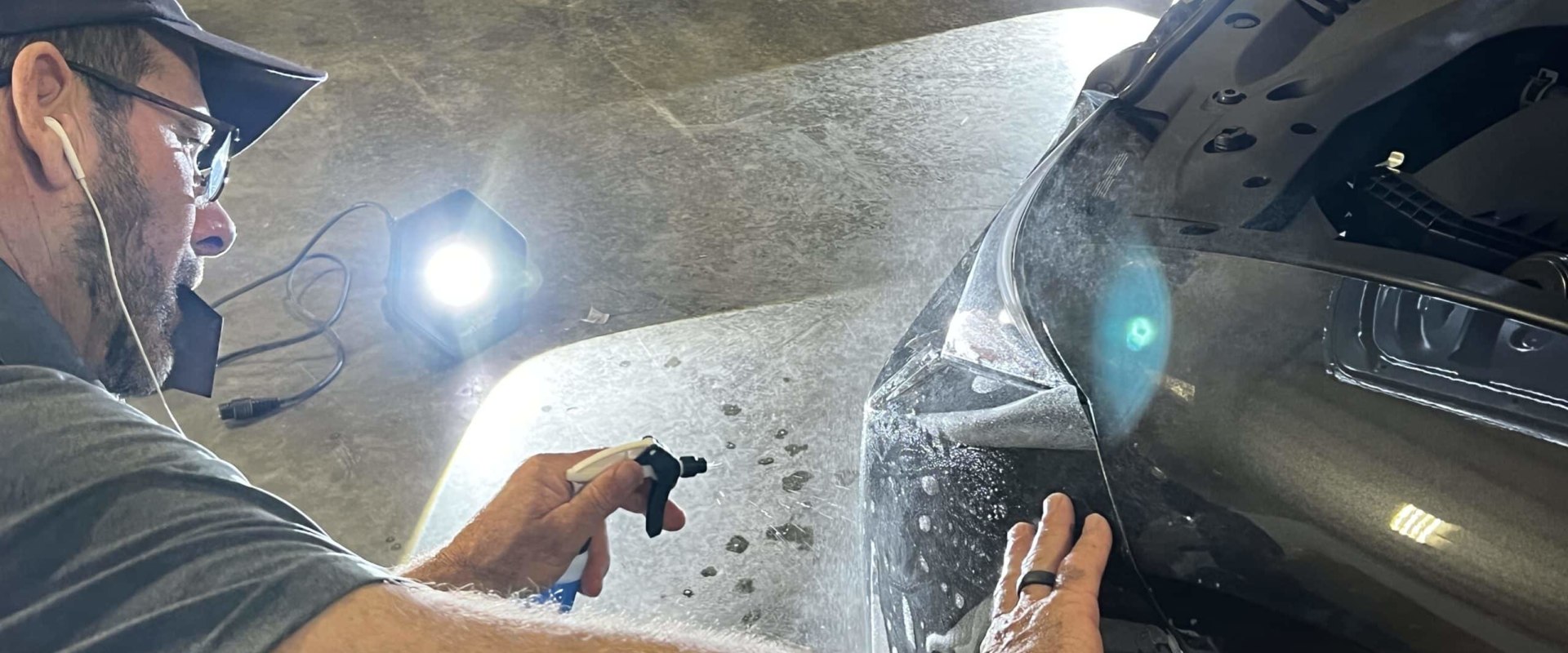
Unlike liquid coatings that can be applied with a spray or brush, film coatings are typically installed by professionals who specialize in vehicle wraps. The process begins with thorough cleaning of the vehicle's surface to ensure optimal adhesion. Once the surface is prepared, the pre-cut sheets are carefully aligned and applied, often using heat to mold the film around curves and contours of the vehicle. This ensures a seamless fit that enhances both protection and aesthetics.
Advantages of Film Coatings
-
Durability: Film coatings are known for their exceptional durability.
They provide a strong barrier against scratches, chips, and other forms of damage that can occur from road debris or harsh weather conditions.
- UV Protection: One of the standout features of film coatings is their ability to block harmful UV rays. This helps prevent fading and discoloration of the vehicle wrap, ensuring that your graphics remain vibrant over time.
- Aesthetic Appeal: Film coatings come in various finishes, including gloss, matte, and satin. This allows vehicle owners to choose a look that complements their wrap while enhancing its overall appearance.
- Easy Removal: Unlike liquid coatings that may require abrasive methods for removal, film coatings can be peeled off without damaging the underlying wrap. This makes it easier to replace or update your vehicle's appearance as needed.
Considerations for Choosing Film Coatings
First, the initial cost of film coatings can be higher due to the professional installation required. However, many find that the long-term benefits outweigh this initial investment. Additionally, it's essential to choose high-quality films from reputable brands to ensure maximum protection and longevity. In summary, film coatings provide an effective solution for protecting vehicle wraps through their durable pre-cut sheets. With advantages such as UV protection, aesthetic versatility, and easy removal, they are an excellent choice for anyone looking to maintain the integrity and appearance of their vehicle wrap.
Choosing the Right Protective Coating for Your Vehicle Wrap
When it comes to selecting the right protective coating for your vehicle wrap, several factors come into play.Understanding these factors will help you make an informed decision that aligns with your specific needs and budget.
1.Assess Your Vehicle's Usage
The first step in choosing a protective coating is to consider how you use your vehicle. If you frequently drive in urban areas with heavy traffic, your vehicle wrap may be exposed to more dirt, grime, and potential scratches. In such cases, a durable coating like a ceramic coating may be ideal due to its resistance to scratches and ease of cleaning.2.Evaluate Environmental Conditions
Your local climate plays a significant role in determining the best protective coating for your vehicle wrap. For instance:-
Hot and Sunny Climates: If you live in an area with intense sunlight, UV protection is crucial.
Look for coatings that offer high UV resistance to prevent fading and discoloration.
- Wet or Humid Environments: In regions with frequent rain or humidity, hydrophobic coatings can help repel water and prevent mold or mildew from forming on the wrap.
- Cold Weather: If you experience harsh winters, consider coatings that can withstand extreme temperatures without cracking or peeling.
3.Desired Aesthetics
The visual appeal of your vehicle wrap is another important consideration. Different coatings can enhance the look of your wrap:- Glossy Finishes: If you want a shiny, reflective surface, opt for a clear coat that provides a high-gloss finish.
- Matte Finishes: For a more subdued look, matte coatings are available that maintain the original texture of the wrap while providing protection.
4.Budget Considerations
Your budget will ultimately influence your choice of protective coating. While high-end options like ceramic coatings offer superior protection and longevity, they may not be feasible for everyone. On the other hand, more affordable options like wax-based coatings can still provide decent protection without breaking the bank. In conclusion, choosing the right protective coating for your vehicle wrap involves evaluating your vehicle's usage, environmental conditions, desired aesthetics, and budget.By carefully considering these factors, you can select a coating that not only protects your investment but also enhances the overall appearance of your vehicle.
Application Techniques for Protective Coatings
Applying protective coatings to vehicle wraps is a critical step in ensuring their longevity and effectiveness. Whether you choose to go the professional route or attempt a DIY application , understanding the best practices can make a significant difference in the outcome.Professional Application
- Expertise: Professionals have the training and experience necessary to apply coatings evenly and effectively. They understand the nuances of different products and can select the best one for your specific wrap.
- Equipment: Professional applicators use specialized tools and equipment that can enhance the application process, ensuring a flawless finish that is difficult to achieve with standard household tools.
- Time Efficiency: Hiring a professional can save you time, as they can complete the job more quickly than an inexperienced individual.
- Warranty and Assurance: Many professional services offer warranties on their work, providing peace of mind that your vehicle wrap is protected against potential issues.
DIY Application
- Cost-Effective: Applying a protective coating yourself can save money, especially if you have multiple vehicles or wraps to protect.
- Flexibility: DIY allows you to choose when and where to apply the coating, making it convenient for those with busy schedules.
- Satisfaction: Successfully applying a coating yourself can be rewarding, giving you a sense of accomplishment in maintaining your vehicle's appearance.
Here are some essential tips for a successful DIY application:
- Preparation: Thoroughly clean the vehicle wrap before application. Any dirt or debris can lead to imperfections in the coating.
- Environment: Choose a controlled environment for application. Avoid windy or dusty areas, as these conditions can introduce contaminants into the coating.
- Application Technique: Use even strokes and avoid over-saturating any area. A consistent application will yield better results.
-
Curing Time: Allow adequate time for the coating to cure as per the manufacturer’s guidelines.
Rushing this process can compromise the effectiveness of the coating.
Maintenance Tips for Vehicle Wraps with Protective Coatings
Maintaining the appearance and integrity of your vehicle wrap, especially when it is protected by a coating, is essential for ensuring its longevity and visual appeal. Here are some practical maintenance tips to help you care for both your vehicle wrap and its protective coating.Regular Cleaning
One of the most important aspects of maintaining your vehicle wrap is regular cleaning. It is recommended to wash your vehicle every two weeks, or more frequently if it is exposed to harsh environmental conditions such as salt, dirt, or bird droppings.Here are some cleaning tips:
- Use a Soft Cloth or Sponge: Always use a soft microfiber cloth or sponge to avoid scratching the surface of the wrap.
- Avoid Abrasive Cleaners: Steer clear of harsh chemicals or abrasive cleaners that can damage both the wrap and the protective coating.
- Use pH-Neutral Soap: Opt for a pH-neutral soap specifically designed for vehicle wraps to ensure safe cleaning.
Drying Techniques
After washing, it’s crucial to dry your vehicle properly to prevent water spots and streaks:- Microfiber Towels: Use clean microfiber towels to gently dry the surface. Avoid using regular towels that may leave lint behind.
- Air Drying: If possible, allow your vehicle to air dry in a shaded area to minimize exposure to direct sunlight.
Avoiding Damage
To protect your vehicle wrap and its coating from potential damage, consider the following precautions:- Parks Smartly: Whenever possible, park in shaded areas or use a car cover to shield your vehicle from UV rays and environmental contaminants.
- Avoid Automatic Car Washes: Refrain from using automatic car washes with brushes that can scratch the surface. Hand washing is always preferable.
Periodic Inspections
Regularly inspect your vehicle wrap for any signs of wear or damage. Look for:- Bubbles or Lifting Edges: Address any bubbles or lifting edges promptly to prevent further damage.
- Fading or Discoloration: If you notice fading, it may be time to reapply a protective coating.
Regular care not only enhances the aesthetic appeal but also maximizes the investment you’ve made in your vehicle's appearance.
Common Myths About Protective Coatings for Vehicle Wraps
When it comes to protective coatings for vehicle wraps, several myths and misconceptions can cloud the judgment of vehicle owners. Understanding the truth behind these myths is essential for making informed decisions about protecting your investment. Here, we will debunk some of the most common myths surrounding protective coatings.-
Myth 1: Protective coatings are unnecessary for vehicle wraps.
Many people believe that vehicle wraps are inherently durable and do not require additional protection. While wraps do offer a level of protection against minor scratches and UV rays, a protective coating significantly enhances their longevity and appearance.Coatings act as a barrier against environmental factors, ensuring that the wrap remains vibrant and intact for a longer period.
-
Myth 2: All protective coatings are the same.
Not all coatings provide the same level of protection or durability. There are various types of coatings available, including ceramic, wax-based, and film coatings, each with unique properties and benefits. For instance, ceramic coatings offer superior scratch resistance and hydrophobic properties compared to traditional waxes. Understanding these differences is crucial when selecting a coating that meets your specific needs. -
Myth 3: Applying a protective coating is a simple DIY task.
While some may think that applying a protective coating is as easy as waxing a car, achieving optimal results often requires professional expertise.Improper application can lead to uneven coverage or even damage to the wrap itself. For best results, it’s advisable to seek professional help to ensure that the coating is applied correctly and effectively.
-
Myth 4: Protective coatings will change the appearance of my wrap.
Another common misconception is that protective coatings will alter the color or finish of the vehicle wrap. In reality, high-quality coatings are designed to enhance the existing finish without changing its appearance. Many coatings come in various gloss levels, allowing you to choose one that complements your wrap perfectly. -
Myth 5: Once applied, protective coatings don’t require maintenance.
While protective coatings do provide long-lasting benefits, they still require regular maintenance to ensure their effectiveness.This includes periodic cleaning and reapplication as recommended by the manufacturer. Neglecting maintenance can lead to diminished performance over time.
'Conclusion: The Essential Role of Protective Coatings in Vehicle Wrap Care'
In summary, the significance of protective coatings for vehicle wraps cannot be overstated. These coatings serve as a vital shield against various environmental factors that can compromise the integrity and appearance of your wrap.By investing in a protective coating, you are not only enhancing the visual appeal of your vehicle but also ensuring its longevity and durability. Throughout this article, we have explored the numerous benefits that protective coatings offer:
- Enhanced Protection: Protective coatings act as a barrier against UV rays, dirt, grime, and other damaging elements, preventing fading and discoloration.
- Easier Maintenance: The slick surface created by these coatings makes cleaning significantly easier, allowing you to maintain the vibrant look of your wrap with minimal effort.
- Extended Lifespan: By safeguarding your vehicle wrap from wear and tear, protective coatings help prolong its life, ensuring that your investment remains intact for years to come.
- Cost-Effectiveness: While there may be an initial cost associated with applying a protective coating, the long-term savings from reduced maintenance and replacement costs make it a wise financial decision.