When embarking on any printing project, understanding the materials you will be working with is crucial.
Paper
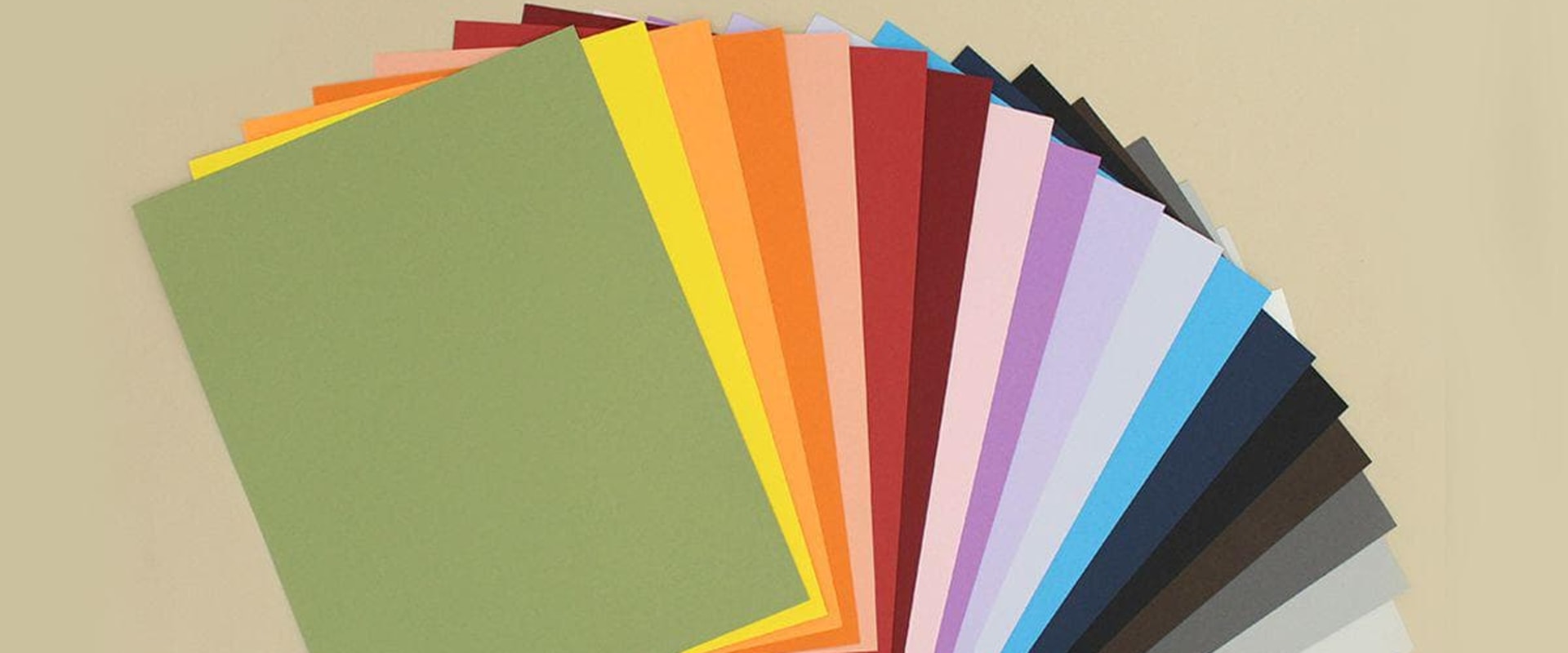
and cardstock are two fundamental components in the world of printing, each serving distinct purposes and offering unique characteristics. While they may seem similar at first glance, their differences can significantly impact the quality and effectiveness of your printed materials. Additionally, just as a manual skateboard requires specific materials for optimal performance, this section aims to clarify what paper and cardstock are, highlighting their essential roles in various printing applications. At its core, paper is a versatile material made from cellulose fibers, typically derived from wood pulp or recycled sources. are two fundamental components in the world of printing, each serving distinct purposes and offering unique characteristics. While they may seem similar at first glance, their differences can significantly impact the quality and effectiveness of your printed materials. Additionally, just as a manual skateboard requires specific materials for optimal performance, this section aims to clarify what paper and cardstock are, highlighting their essential roles in various printing applications. At its core, paper is a versatile material made from cellulose fibers, typically derived from wood pulp or recycled sources.It comes in a wide range of weights, textures, and finishes, making it suitable for everyday printing needs such as documents, flyers, and brochures. The lightweight nature of paper allows for easy handling and distribution, making it an ideal choice for projects that require bulk printing or frequent use. In contrast, cardstock is a thicker and more robust variant of paper, designed for projects that demand durability and a professional appearance. With a higher weight and density than standard paper, cardstock is perfect for items like business cards, invitations, and postcards. Its sturdiness ensures that these materials can withstand handling without bending or tearing easily.
Understanding these differences is vital when selecting the right material for your specific printing needs. As we delve deeper into the world of paper and cardstock throughout this guide, you will discover the various types available, their specific uses, and tips for choosing the right material for your projects. Whether you are looking to create eye-catching marketing materials or elegant invitations, knowing the distinctions between paper and cardstock will empower you to make informed decisions that enhance your printing outcomes.
Types of Paper: A Detailed Overview
When it comes to printing, the type of paper you select can significantly influence the quality and effectiveness of your final product. Understanding the various types of paper available in the market is essential for making informed decisions that align with your specific printing needs. Below, we explore several categories of paper, detailing their characteristics, uses, and ideal applications.-
Bond Paper: This is a versatile and durable option commonly used for everyday printing tasks.
Bond paper is smooth and ideal for documents such as letters, reports, and resumes. It is compatible with both inkjet and laser printers, making it a reliable choice for professional settings.
- Glossy Paper: Known for its shiny finish, glossy paper is perfect for printing high-quality images and photographs. The coating enhances color vibrancy and sharpness, making it a popular choice for marketing materials, brochures, and photo prints.
-
Matte Paper: Unlike glossy paper, matte paper has a non-reflective finish that provides a more subdued look. It is ideal for text-heavy designs or projects where glare could be an issue.
Common uses include brochures, menus, and business cards.
- Recycled Paper: An eco-friendly option made from post-consumer waste, recycled paper offers a slightly rough texture. While it may not be suitable for all types of prints, it is an excellent choice for those looking to reduce their environmental impact without compromising quality.
- Specialty Paper: This category encompasses a wide range of unique papers such as vellum, parchment, and textured options. Specialty papers are often used for invitations, certificates, or any project that requires a distinctive touch.
Conversely, if you need to print professional documents or reports, bond or matte paper would be more appropriate. In summary, understanding the different types of paper available can help you select the best option for your printing projects. By considering factors such as finish, texture, and intended use, you can ensure that your printed materials not only meet but exceed expectations.
Types of Cardstock: Choosing the Right One
When it comes to printing projects, selecting the right type of cardstock is essential for achieving the desired outcome. Each type of cardstock offers unique characteristics that can enhance your printed materials, making it crucial to understand their differences. Below, we explore various types of cardstock and their ideal applications.-
Glossy Cardstock: This cardstock features a shiny, reflective surface that enhances color vibrancy and detail.
It is particularly well-suited for printing high-quality images, making it a popular choice for marketing materials, invitations, and greeting cards. If your project requires a professional and polished look, glossy cardstock is an excellent option.
- Matte Cardstock: In contrast to glossy options, matte cardstock has a non-reflective finish that provides a more subdued appearance. This type is ideal for text-heavy designs or projects where glare could be an issue. Common uses include brochures, menus, and business cards where readability is paramount.
-
Textured Cardstock: For those looking to add a tactile element to their prints, textured cardstock offers various finishes such as linen, felt, or canvas.
This type of cardstock can elevate invitations and event programs by adding depth and character. It’s perfect for projects that aim to impress with both visual and physical appeal.
- Metallic Cardstock: If you want to infuse a touch of elegance into your prints, metallic cardstock is the way to go. With its shimmering finish, this type is often used for wedding invitations, holiday cards, and other special occasion materials. The reflective quality can make designs stand out dramatically.
-
Recycled Cardstock: For environmentally conscious projects, recycled cardstock is an excellent choice.
Made from post-consumer waste, it offers a slightly textured finish that can lend a vintage or rustic feel to your prints. This option allows you to maintain quality while reducing your ecological footprint.
- Purpose: Determine what you are creating—whether it’s marketing materials, personal invitations, or professional documents—and select a cardstock that aligns with that purpose.
- Design Elements: Think about the colors and graphics you will be using. Some cardstocks enhance colors better than others; for instance, glossy cardstock can make colors pop.
-
Weight and Thickness: Cardstock comes in various weights (measured in pounds or grams per square meter). Heavier cardstocks are more durable but may also be more expensive.
Choose a weight that suits your project’s needs without exceeding your budget.
Key Factors to Consider When Choosing Printing Materials
When it comes to selecting the right printing materials, understanding the key factors that influence your choice is essential for achieving optimal results. Here are some critical considerations to keep in mind:-
Intended Use: The purpose of your printed materials plays a significant role in determining the type of paper or cardstock you should choose. For instance, if you are creating marketing materials like brochures or flyers, lightweight paper may suffice.
However, for business cards or invitations that require a more professional appearance, opting for thicker cardstock is advisable.
- Weight and Thickness: The weight of paper and cardstock is typically measured in pounds (lb) or grams per square meter (gsm). A higher weight indicates a thicker and more durable material. For example, standard printer paper usually ranges from 20 lb to 24 lb, while cardstock can start at 65 lb and go up to 110 lb or more. Consider how the weight will affect the handling and presentation of your printed materials.
-
Finish: The finish of your paper or cardstock can dramatically impact the visual appeal of your prints.
Common finishes include:
- Glossy: Ideal for vibrant images and photographs, glossy finishes enhance color saturation.
- Matte: Offers a non-reflective surface that is perfect for text-heavy designs and provides a sophisticated look.
- Textured: Adds depth and character, making it suitable for special occasions or artistic projects.
- Printing Method: Different printing techniques may require specific types of paper or cardstock. For example, digital printing often works best with uncoated papers, while offset printing can accommodate a wider range of finishes. Ensure that the materials you select are compatible with your chosen printing method to avoid issues during production.
The Importance of Weight and Thickness in Printing Materials
When it comes to printing materials, understanding the weight and thickness of paper and cardstock is crucial for achieving the desired results.These two factors significantly influence not only the durability of your printed materials but also their overall appearance and functionality.
Weight
is typically measured in pounds (lb) or grams per square meter (gsm). The weight of paper or cardstock can affect how it feels in hand, its opacity, and its ability to withstand various printing processes. For instance, lighter weights are often more suitable for items that require folding or mailing, such as flyers or brochures. Conversely, heavier weights are ideal for projects that demand a more substantial feel, like business cards or invitations.
Thickness
, on the other hand, refers to how dense the material is.
Thicker cardstock provides a sturdier base for printing, making it less prone to bending or tearing. This is particularly important for items that will be handled frequently or need to convey a sense of quality and professionalism. For example, a business card printed on thick cardstock not only feels more luxurious but also stands up better to wear and tear compared to one printed on standard paper. When selecting the appropriate weight and thickness for your project, consider the following:
- Intended Use: Determine how your printed materials will be used. If they are meant for long-term display or frequent handling, opt for heavier weights.
-
Printing Method: Different printing methods may require specific weights and thicknesses.
For example, digital printing often works best with lighter stocks, while offset printing can handle heavier materials.
- Aesthetic Appeal: The weight and thickness can also impact the visual appeal of your prints. A thicker cardstock can enhance colors and provide a more vibrant finish, making it ideal for marketing materials.
Finishes: Enhancing Your Prints with Texture and Appearance
When it comes to printing, the finish of your paper or cardstock can significantly influence the overall aesthetic and tactile experience of your printed materials. Different finishes not only affect the visual appeal but also the functionality of the printed product.Here, we will explore the most common finishes available for paper and cardstock, including glossy, matte, and textured options, and how each can enhance your prints.
Glossy Finishes
Glossy finishes are characterized by their shiny, reflective surface that enhances color vibrancy and sharpness. This type of finish is particularly popular for:- Photographs: Glossy paper is ideal for printing high-resolution images, as it brings out the details and makes colors pop.
- Marketing Materials: Brochures, flyers, and posters printed on glossy cardstock can attract attention and convey a sense of professionalism.
- Invitations: For events like weddings or parties, glossy finishes can add a touch of elegance to your invitations.
Matte Finishes
In contrast to glossy finishes, matte finishes offer a non-reflective surface that provides a more subdued and sophisticated look. This finish is often chosen for:- Text-Heavy Designs: Business cards and brochures with a lot of text benefit from matte finishes as they enhance readability.
- Art Prints: Artists often prefer matte finishes for reproducing artwork because they provide a more natural appearance without glare.
- Stationery: Matte paper is commonly used for letterheads and envelopes, giving a professional touch to correspondence.
However, colors may appear less vibrant compared to glossy options.
Textured Finishes
Textured finishes add a unique tactile element to printed materials. These can range from subtle textures like linen or felt to more pronounced patterns. Textured cardstock is often used for:- Special Occasions: Invitations and greeting cards with textured finishes can evoke a sense of luxury and craftsmanship.
- Crafts: Textured paper is popular in DIY projects where a distinctive look is desired.
- Premium Packaging: Products packaged in textured cardstock can stand out on shelves and convey quality.
Printing Methods: Compatibility with Paper and Cardstock
When it comes to printing, understanding the compatibility of various printing methods with different types of paper and cardstock is essential for achieving optimal results.Each printing technique has its own strengths and weaknesses, which can significantly impact the final appearance and durability of your printed materials.
Digital Printing
Digital printing is a popular choice for short runs and quick turnaround times. This method uses digital files to produce prints directly onto the chosen material, making it highly versatile. However, not all papers and cardstocks are created equal when it comes to digital printing:- Best for: Smooth, coated papers and cardstocks that allow for vibrant color reproduction.
- Avoid: Heavily textured or uncoated materials, as they may lead to inconsistent ink absorption and poor image quality.
Offset Printing
Offset printing is a traditional method that involves transferring ink from a plate to a rubber blanket, which then applies the ink to the paper. This technique is ideal for large print runs and offers high-quality results:-
Best for: A wide range of paper types, including uncoated, textured, and specialty papers.
Offset printing excels in producing sharp images and fine details.
- Avoid: Extremely lightweight papers that may not hold up well during the printing process.
Screen Printing
Screen printing is commonly used for textiles but can also be applied to paper and cardstock. This method involves pushing ink through a mesh screen onto the material:- Best for: Thick cardstocks and specialty papers that can withstand the pressure of the screen printing process.
- Avoid: Thin or delicate papers that may tear or warp under the pressure.
Choosing the Right Method
When selecting a printing method, consider factors such as the desired finish, volume of prints, and budget. For instance, if you need high-quality images with vibrant colors for marketing materials, digital printing on glossy cardstock may be your best bet. Conversely, if you’re producing a large quantity of brochures on uncoated paper, offset printing would be more cost-effective. Ultimately, understanding how different printing methods interact with various types of paper and cardstock will empower you to make informed decisions that enhance the quality and effectiveness of your printed materials.Eco-Friendly Options: Sustainable Choices in Paper and Cardstock
As the world becomes increasingly aware of environmental issues, the demand for eco-friendly paper and cardstock options has surged.Choosing sustainable materials not only helps reduce waste but also supports responsible forestry practices and lowers carbon footprints. Here, we explore various eco-friendly alternatives that can enhance your printing projects while being kind to the planet.
Recycled Paper and Cardstock
One of the most popular eco-friendly choices is recycled paper. This type of paper is made from post-consumer waste, which means it repurposes materials that would otherwise end up in landfills. By opting for recycled paper or cardstock, you contribute to a circular economy and help conserve natural resources.Here are some benefits:
- Resource Conservation: Using recycled materials reduces the need for virgin pulp, which helps preserve forests and biodiversity.
- Energy Efficiency: The production of recycled paper typically requires less energy compared to making paper from raw materials.
- Reduced Pollution: Recycling processes generate less air and water pollution than traditional paper manufacturing.
Sustainable Sourcing
In addition to recycled options, consider paper and cardstock sourced from sustainably managed forests. Look for certifications such as FSC (Forest Stewardship Council) or SFI (Sustainable Forestry Initiative). These certifications ensure that the materials come from forests that are responsibly managed, preserving ecosystems and supporting local communities.Alternative Materials
Another avenue for eco-conscious printing is exploring alternative materials. Some innovative options include:- Bamboo Paper: Bamboo grows rapidly and requires minimal resources, making it a sustainable choice for printing.
- Hemp Paper: Hemp is another fast-growing plant that produces strong fibers, resulting in durable paper products.
- Stone Paper: Made from crushed stone and non-toxic resins, stone paper is waterproof and tear-resistant, offering a unique alternative.
Whether you're creating marketing materials or personal projects, selecting sustainable printing materials reflects a commitment to environmental stewardship and can resonate with your audience.
Common Applications for Paper and Cardstock in Printing Services
Understanding the applications of paper and cardstock in printing services is essential for maximizing their potential across various industries. Each type of material serves unique purposes, catering to different needs and preferences. Below are some common applications that illustrate how these materials can be effectively utilized.Applications of Paper in Printing
- Marketing Materials: Paper is widely used for creating brochures, flyers, and posters. These materials are essential for promoting products and services, allowing businesses to reach a broader audience.
-
Office Documents: Everyday office tasks often require standard printer paper for reports, memos, and presentations.
High-quality bond paper ensures that documents look professional and are easy to read.
- Newsletters: Many organizations use paper to produce newsletters that keep their audience informed about updates, events, and news. The choice of paper can affect the overall impression of the newsletter.
- Invitations: For personal events like weddings or parties, paper invitations remain a popular choice. Specialty papers can add a touch of elegance and personalization to these important announcements.
Applications of Cardstock in Printing
- Business Cards: Cardstock is the go-to material for business cards due to its durability and professional appearance. A well-designed business card can leave a lasting impression on potential clients.
- Postcards: Many businesses utilize cardstock for postcards, which can be used for direct mail marketing campaigns or as promotional tools at events.
-
Packaging: Cardstock is often used in packaging design for products that require sturdiness and protection during shipping.
Custom printed boxes made from cardstock can enhance brand visibility.
- Crafts and DIY Projects: Cardstock is favored in the crafting community for its versatility. It can be used for scrapbooking, card making, and other creative projects that require a thicker material.
Conclusion: Making Informed Choices for Your Printing Needs
As we wrap up this comprehensive guide on paper and cardstock, it’s essential to reflect on the key insights that can empower you to make informed choices for your printing projects. Understanding the nuances between different types of paper and cardstock is not just about aesthetics; it’s about functionality, durability, and achieving the desired impact for your printed materials. Throughout this article, we explored the various types of paper and cardstock available, each with its unique characteristics and ideal applications.From the lightweight versatility of bond paper to the robust nature of cardstock , knowing when to use each type can significantly enhance the quality of your prints. For instance, if you’re creating marketing materials that need to grab attention, opting for glossy cardstock can elevate your visuals, while matte finishes may be more suitable for text-heavy documents. Moreover, we discussed the importance of weight and thickness in selecting materials. The weight of paper or cardstock can influence not only the feel but also the durability of your printed pieces. A heavier cardstock is often more resilient, making it ideal for business cards or invitations that will be handled frequently.
Conversely, lighter paper may be more appropriate for flyers or brochures that need to be distributed in bulk. Another critical aspect covered was the finish of the materials. The choice between glossy, matte, or textured finishes can dramatically affect how your designs are perceived. A glossy finish can enhance colors and images, making them pop, while a matte finish offers a sophisticated look that is less prone to fingerprints and glare. In conclusion, making informed choices about paper and cardstock is vital for achieving successful printing outcomes. By considering factors such as intended use, weight, finish, and compatibility with printing methods, you can ensure that your projects not only meet but exceed expectations.
Whether you’re working on promotional materials for your business or personal projects like invitations or photo prints, taking the time to select the right materials will ultimately lead to better results. As you embark on your next printing endeavor, remember that understanding these elements will empower you to create stunning prints that effectively communicate your message. With this knowledge in hand, you are now better equipped to navigate the world of printing materials and make choices that align with your vision.